
About the Author
Table of Contents
Understanding the EBook Market Landscape
(1) - Overview of the Digital Publishing Industry
(2) - Current Trends and Future Outlook
(3) - Analyzing Popular Genres and Niches
(4) - Identifying Key Market Opportunities
Setting Your Goals and Defining Your Audience
(1) - Establishing Clear Publishing Objectives
(2) - Researching and Profiling Your Target Readers
(3) - Aligning Content with Audience Preferences
(4) - Creating a Reader Persona for Your EBook
Developing a Compelling EBook Idea
(1) - Brainstorming Topics That Resonate
(2) - Validating Your Idea with Market Research
(3) - Refining Your Concept for Maximum Impact
(4) - Planning Your EBook's Unique Selling Proposition
Planning and Outlining Your Content
(1) - Structuring Your EBook for Readability
(2) - Creating an Effective Chapter Breakdown
(3) - Incorporating Engaging Elements and Visuals
(4) - Setting Realistic Writing Milestones
Writing Your EBook Professionally
(1) - Developing a Consistent Voice and Style
(2) - Maintaining Motivation and Discipline
(3) - Overcoming Writer’s Block
(4) - Editing and Revising for Clarity and Impact
Designing an Attractive Cover and Layout
(1) - Principles of Effective Cover Design
(2) - Choosing Colors and Typography
(3) - Formatting Your EBook for Different Devices
(4) - Using Visuals to Enhance Content
Optimizing Your EBook for Search and Discoverability
(1) - Understanding Keywords and SEO Strategies
(2) - Crafting a Compelling Book Title and Subtitle
(3) - Writing an Engaging Book Description
(4) - Leveraging Metadata for Better Visibility
Publishing Platforms and Distribution Channels
(1) - Overview of Major EBook Retailers
(2) - Self-Publishing vs Traditional Publishing
(3) - Choosing the Right Publishing Platform
(4) - Setting Up Your EBook for Distribution
Pricing Strategies and Monetization
(1) - Determining the Right Price Point
(2) - Using Promotions and Discounts Effectively
(3) - Exploring Multiple Revenue Streams
(4) - Managing Royalties and Payments
Marketing and Promoting Your EBook
(1) - Building Your Author Brand
(3) - Utilizing Social Media and Email Campaigns
(4) - Gathering and Leveraging Reviews and Testimonials
Leveraging Content Marketing and Partnerships
(1) - Guest Blogging and Cross-Promotions
(2) - Collaborating with Influencers
(3) - Creating Free Content to Drive Sales
(4) - Participating in Online Communities
Using Advertising to Boost Sales
(1) - Running Effective Amazon Ads
(2) - Social Media Advertising Strategies
(3) - Budgeting and Tracking Campaign Performance
(4) - Retargeting and Remarketing Techniques
Monitoring Performance and Gathering Feedback
(1) - Tracking Sales and Download Metrics
(2) - Analyzing Reader Feedback
(3) - Adjusting Marketing Strategies Based on Data
(4) - Planning for Future Updates and New Releases
Building a Long-Term Author Platform
(1) - Creating a Website and Blog
(3) - Engaging with Your Audience Regularly
(4) - Expanding Your Reach Through Multiple Formats
Legal Considerations and Copyright
(1) - Understanding Copyright Laws
Understanding the EBook Market Landscape

Overview of the Digital Publishing Industry
The digital publishing industry has experienced significant growth in recent years, driven by technological advancements and changing consumer preferences. It encompasses an array of formats, including eBooks, digital magazines, audiobooks, and other online content, making it a multi-faceted arena. Readers now have access to a vast library of information and entertainment at their fingertips, thanks to the rise of smartphones and tablets. This accessibility has fundamentally altered the way people consume literature and information, shifting away from traditional print media.
The emergence of various platforms and devices has paved the way for this evolution. Kindle, Apple Books, and Google Play Books are just a few names that have spearheaded this shift, providing users with instant access to an extensive array of titles. As a result, the barriers to entry for authors and content creators have diminished, allowing a wider range of voices and narratives to reach audiences. This democratization of publishing means that aspiring authors no longer need to navigate the complicated traditional publishing process to share their stories.
Several key trends are currently shaping the eBook market. One notable shift is the increasing popularity of subscription services like Kindle Unlimited and Scribd, which offer readers access to a vast library for a monthly fee. This model not only benefits consumers looking for variety but also helps authors gain exposure. The rise of self-publishing has also expanded the landscape, allowing writers to release their work without the constraints of traditional publishing houses. Many authors are taking advantage of platforms like Amazon Direct Publishing, which provides a straightforward pathway to publish and distribute their work.
Technological advancements have been pivotal in enhancing the digital reading experience. The introduction of features like adjustable fonts, built-in dictionaries, and multimedia integration enriches how stories are told and experienced. Audiobooks have also gained popularity, appealing to those who prefer listening over reading, bolstered by platforms like Audible. This format caters to busy lifestyles, allowing individuals to enjoy literature while commuting, exercising, or performing household tasks.
The players in the digital publishing space are varied and include not only large corporations but also small independent publishers and self-published authors. Major companies continue to dominate the market with significant resources, yet niche publishers are thriving by focusing on specific genres or underrepresented voices. This diversity fosters a richer literary ecosystem, where readers can find unique works that resonate with them personally.
Amidst the vast opportunities, challenges remain in the digital publishing industry. Copyright infringement and the question of fair compensation for authors are pressing concerns. Readers often have access to free content online, which can undermine the financial viability of certain publications. Balancing accessibility with fair compensation is crucial for the future sustainability of the industry.
The digital publishing industry is not just about books; it encompasses varied content like blogs, news articles, and online journals, which contribute to its expansive nature. The shift toward digital has also led to an increase in the production of multimedia content, appealing to different learning styles and preferences. Infographics, interactive storytelling, and video essays are becoming common, expanding the definitions of publishing and content worldwide.
In this rapidly changing environment, staying informed about trends and technologies is essential for anyone looking to participate in the digital publishing world, whether as a reader, author, or publisher. Engaging with popular platforms and tools will enhance understanding and foster connections within this vibrant community. For those considering a career in digital publishing, embracing an array of skills, from writing and editing to digital marketing and social media strategy, will provide a strong foundation for success.
Exploring the digital publishing industry is not only about adapting to change; it's also about curiosity and creativity. Understanding the available resources and embracing new technologies can empower individuals to share their stories, reach readers around the globe, and contribute to the diverse tapestry of voices in the digital space.
Current Trends and Future Outlook
The ebook industry has experienced steady growth over the past decade, driven by widespread adoption of digital reading devices and the convenience of accessing vast libraries with a few taps. The current landscape includes a diverse array of content, ranging from fiction and non-fiction to educational materials and professional resources. Key market segments have expanded to serve not only casual readers but also academic institutions, corporations, and specialized niches such as self-publishing authors and independent publishers. This diversification has been supported by improvements in distribution platforms that simplify access and purchasing while offering subscription models and personalized recommendations. Technological advancements, such as enhanced e-reader displays mimicking print quality and mobile apps with rich interactive capabilities, have boosted reader engagement and redefined user experience.
One notable shift is the integration of multimedia elements within ebooks, blending audio, video, and interactive graphics into traditional text to better suit learners and readers seeking immersive experiences. Artificial intelligence plays a growing role in this space, powering algorithms that help match readers with books based on detailed preferences and reading habits. Cloud storage continues to be foundational, enabling seamless access to purchased or borrowed content across multiple devices. These factors contribute to breaking down barriers related to geography and device constraints, creating a more inclusive environment for readers worldwide. In parallel, publishing platforms have increasingly embraced direct-to-consumer models, allowing authors greater control over pricing and marketing, shaking up traditional publishing hierarchies.
The future points toward further blending of technologies with reading materials, where ebooks become more dynamic and tailored to individual users. Emerging trends include enhanced customization options, allowing readers to adjust not only font size or background color but also the narrative style or level of detail according to their preferences. Augmented reality and virtual reality are beginning to influence educational ebooks by providing interactive 3D models and environments that deepen understanding beyond static images or text. Moreover, blockchain technology shows potential in securing digital rights and verifying authenticity, which may provide new ways to protect authors’ work and offer transparent royalty tracking.
Growth potential remains strong as developing markets increase internet access and mobile device penetration, bringing millions of new readers into the fold. Smaller publishers and independent authors will likely continue to flourish alongside major players through innovative marketing strategies and the widespread adoption of self-publishing tools. Additionally, ongoing improvements in voice recognition and natural language processing could open new possibilities for audiobooks integrated with ebook content, allowing fluid transitions between reading and listening. This convergence is poised to provide versatile methods for consuming content suitable for different contexts and lifestyles.
Understanding these developments can help both readers and industry participants anticipate changes and make informed decisions. Staying informed about emerging technologies and market shifts can reveal opportunities for improving how content is created, distributed, and enjoyed. For readers, experimenting with features such as interactive annotations or adaptive learning paths can enrich the experience, making digital reading more engaging and productive than ever before.
Analyzing Popular Genres and Niches
Numerous genres dominate the eBook market, each attracting different types of readers and generating varied levels of sales. Romance remains one of the most consistent performers, appealing to a broad audience with its focus on relationships, emotional journeys, and engaging characters. Mystery and thrillers also attract a dedicated readership eager for suspense and clever plotting. Science fiction and fantasy carve out their own niche, captivating those who love imaginative worlds and complex world-building. Non-fiction categories such as self-help, health, and personal development are also experiencing a surge, as many readers seek practical advice, inspiration, and knowledge. Understanding which genres draw the most attention can help authors focus their efforts where there’s a proven demand and steady engagement. Observing bestseller lists, reader reviews, and sales rankings often reveals trends and points to genres that are currently favored by the market.
While popular genres provide a solid foundation, exploring niche markets can open doors to less saturated and highly specialized audiences. These niches often have passionate readers looking for something specific, which means less competition and more dedicated loyalty once you find your audience. For example, niche categories like cozy mysteries set in specific locations, historical romances focusing on a particular era, or technical guides on emerging technologies cater to targeted groups. Many successful indie authors have built thriving reader bases by tapping into these smaller, dedicated markets. Identifying niches requires research; reviewing online forums, social media groups, and niche-specific bestseller lists can uncover what potential readers are craving. Sometimes, blending a popular genre with a niche topic can create a fresh, appealing offering that stands out from the crowd.
Strategies for analyzing genres and niches involve a combination of observing market trends and understanding your own passions and strengths. Regularly browsing online bookstores, especially the top-ranked and trending sections, helps identify what readers are buying right now. Pay attention to the keywords used in book titles and descriptions, as these often indicate what particular themes or topics are resonating. Using tools like Google Trends or KindleSpy can also reveal shifting interests and emerging areas with growing demand. Once you identify a promising genre or niche, exploring the community surrounding it can be invaluable. Engage with forums, social media groups, and review sections to discover what readers appreciate and what gaps might exist in the market. Simply put, an attentive eye for market signals combined with your unique voice can lead to success in choosing genres or niches that align with current reader preferences and your personal interests.
Identifying Key Market Opportunities
The ebook market has grown significantly over the last few years, with various segments opening up exciting possibilities for businesses and authors alike. Genres such as self-help, fiction, and educational materials are experiencing notable demand. Within these genres, niches such as personal finance, mindfulness, and children's interactive books are capturing the attention of readers and showing steady growth. Understanding reader preferences and trends within these spaces allows new entrants to target their offerings effectively. It's essential to investigate which segments are not only popular but also underrepresented in the market, providing a clear pathway for growth.
Emerging trends are reshaping the ebook landscape, presenting unique opportunities for newcomers. Audio ebooks, for instance, are becoming increasingly popular as people seek more flexible reading options. The convenience of consuming literature while multitasking appeals to a broad audience. Similarly, interactive and multimedia ebooks are on the rise, particularly among younger readers. These formats engage users by incorporating videos, quizzes, and clickable content that enhance the reading experience. Writers and publishers venturing into these innovative realms can carve out a niche that resonates with tech-savvy consumers.
Another area ripe for exploration is the integration of educational content within various fields. As more people turn to online learning, ebooks that provide supplementary information for courses or skill development are increasingly attractive. Think about crafting guides that align with current educational trends, such as coding, digital marketing, or health and wellness. By offering practical, actionable content that meets the needs of learners, authors can tap into a dedicated audience eager for credible and useful resources. Keeping an ear to the ground about shifts in technology and study methodologies will only enhance the relevance of these offerings.
A practical tip for identifying market opportunities involves regularly conducting surveys and gathering feedback from potential readers. Engaging with your audience directly can reveal what they seek in new reading materials, as well as unmet needs in the current market. Social media platforms and forums can be excellent resources to connect with readers and discern trends that may not be immediately apparent. By actively listening and responding to your audience’s desires, you position yourself to bring forth compelling content that resonates on a personal level.
Setting Your Goals and Defining Your Audience

Establishing Clear Publishing Objectives
Setting clear publishing goals is the foundation upon which every successful book project rests. Before you write a single word or design the first page, it’s essential to know exactly what you want to achieve with your book. Are you looking to boost your credibility in a professional field, share a creative story, educate a specific group, or perhaps generate income through book sales? Each of these aims will shape how you approach the writing, presentation, and marketing of your ebook. By defining your overarching objective early on, you create a compass that will steer your decisions throughout the entire publishing process.
When goals are vague or scattered, projects often lose momentum or miss their mark entirely. Clear publishing objectives give you focus and make it easier to measure your success. For example, if your goal is to establish authority in a particular niche, your content needs to reflect thorough research, professionalism, and a tone that appeals to experts and enthusiasts alike. On the other hand, if your objective is to tell an entertaining story, your priority might be engaging narrative techniques and relatable characters. Understanding your main goal means you will allocate your time, resources, and energy to what truly matters, avoiding distractions along the way.
It’s also valuable to distinguish between short-term and long-term objectives. Perhaps you want to build an initial readership with your first ebook, but you aim to grow a larger brand presence over time through multiple publications. Knowing these layers allows you to plan not just for one release but for a sustainable journey in publishing. Your goals will influence the tone, style, and even the length of your book. They will affect decisions about pricing, distribution platforms, and marketing strategies. When your objectives are clear and well thought out, every step becomes more intentional and aligned with the outcome you desire.
Equally crucial is gaining a deep understanding of your target audience. Tailoring your content specifically to the readers you want to reach means your message hits home every time. Start by thinking about who will benefit most from your book. What are their interests, struggles, or questions? What type of language and tone will resonate with them? Are they professionals seeking factual information or casual readers looking for inspiration? The more precise you can be about your audience, the more engaging and compelling your ebook will become.
Knowing your audience also helps you choose the topics and examples that make your book relevant and useful. For instance, a business book aimed at young entrepreneurs will differ in style and content from a guide written for seasoned executives. Consider the demographic details such as age, education level, cultural background, and reading preferences. This knowledge guides you in deciding whether to use simple explanations or advanced concepts, formal or conversational tone. It also shapes your editorial choices and how you present your material—whether through storytelling, data, case studies, or step-by-step instructions.
Understanding your audience’s needs can improve the effectiveness of your marketing efforts too. You will learn where to promote your book, which platforms to use, and how to communicate your value proposition in a way that attracts attention and drives engagement. When you internalize the desires and challenges of your readers, your writing becomes a direct response to them rather than a generic message lost in the noise. This connection not only improves sales but also builds loyal readers who eagerly await your next publication.
Keep in mind that establishing clear publishing objectives combined with a thorough grasp of your audience transforms the entire ebook experience from a daunting task into a focused mission. It reduces guesswork and empowers you to make decisions with confidence. One practical tip is to write down your primary goal and a profile of your ideal reader before you start writing. Revisit these notes regularly throughout your project to keep your efforts aligned and your motivation strong.
Researching and Profiling Your Target Readers
Understanding who your readers are is the foundation of creating content that truly connects. Instead of guessing, take the time to gather detailed information about your potential audience. Look into their age, gender, occupation, education level, and interests to get a clear picture of their background. Think about what problems they face, what goals they pursue, and what motivates them to seek out your type of book. The more you know about their daily lives and preferences, the better you can craft your message in a way that resonates deeply. This early research ensures your book is not just speaking to anyone, but speaking directly to those who will find it most valuable.
Developing comprehensive reader profiles requires analyzing not just demographics but also the behaviors and preferences that influence their choices. Observe where they spend their time online—are they active on social media platforms like Instagram, Facebook, or TikTok? Do they frequent specific forums, websites, or groups related to your book’s topic? Pay attention to the language they use, what questions they ask, and what kind of content they consume. This insight helps you understand not just what your readers are interested in, but how they prefer to receive information. Detailed profiling may involve creating a fictional individual, or even several, representing different segments of your audience. By doing this, every decision you make—from the title to the marketing channels—becomes more intentional and targeted.
Knowing your target readers also involves recognizing their reading habits and expectations. Determine what formats they prefer—are they more inclined toward quick, digestible ebooks or longer, in-depth pieces? Do they like visual content, or do they value text-heavy explanations? Understanding these details can shape how you present your material and what elements to emphasize. It also means keeping an ear open to the language your audience uses when discussing their interests. Adapting your tone and style to match their communication will make your writing more appealing and approachable. Conduct surveys, read reviews of similar books, and engage in conversations within communities relevant to your niche. Every piece of insight you gather fine-tunes your ability to craft a book that feels personalized and relevant.
A practical tip is to continually revisit and update your reader profiles as your understanding deepens or as trends shift. Audience preferences can evolve over time, and staying attuned to these changes boosts your chances of maintaining a connection. Use tools like social media analytics, Google Trends, and reader feedback to keep your finger on the pulse. Remember, the process of researching and profiling isn’t a one-time task, but an ongoing effort to ensure your book remains aligned with what your readers want and need. The better you know your audience, the more your book will stand out as a meaningful resource tailored to their lives and interests.
Aligning Content with Audience Preferences
Understanding your audience's content preferences is essential for creating engaging ebooks that resonate and encourage reader loyalty. Knowing what your audience enjoys helps you craft material that speaks directly to their interests, leading to a deeper connection. It begins with gathering insights into who they are and what drives their choices. This process can involve analyzing demographic data, such as age, gender, location, and even occupation. Moreover, recognizing their challenges, desires, and hobbies can inform your approach, ensuring that you create relevant narratives and compelling arguments that will engage them.
Engagement comes from understanding not just who your audience is, but also what formats they prefer. Some readers may gravitate towards text-heavy content, while others might favor visuals or multimedia formats. By paying attention to the themes that spark discussion or generate social media shares, you can tailor your content to align with their preferences. For instance, if your analysis shows that your audience responds well to storytelling, incorporating personal anecdotes into your work can draw them in and invite them to connect emotionally.
Aligning your content with audience interests involves researching their expectations, tailoring topics, and presenting information in formats that appeal most to your target demographic. This means keeping a pulse on trends in your niche. Engaging with your audience through surveys, comments, or social media interactions can yield invaluable insights. Listening to their feedback and observing their behavior can guide you in selecting topics that not only attract attention but also prompt ongoing discussions. For example, if many of your readers express a desire for practical tips on a specific subject, crafting your ebook to address these requests can significantly enhance its relevance.
Moreover, being aware of seasonal or cultural events that resonate with your audience can provide a timely context for your content. Tailoring your writing to reflect these societal moments can position your work as both relevant and relatable. Consider creating a special series that ties into current events or highlights specific observances, thereby demonstrating that your content is not only informative but also in tune with the world around them.
Finally, remember that presenting information in user-friendly formats makes it more accessible. Break longer texts into digestible sections with clear titles for easier navigation. Infographics, bullet points, or summaries can make complex concepts more understandable. Ultimately, it’s about the reader's experience, ensuring they find value and enjoyment in your content. Keep experimenting with different approaches until you discover what resonates most with your audience, fostering a loyal base who eagerly anticipates your next release. To fine-tune your strategy, focus on gathering ongoing feedback to refine your content continually and maintain its relevance.
Creating a Reader Persona for Your EBook
Writing an ebook without a clear understanding of who will read it can feel like shouting into the void. Defining a reader persona brings focus and clarity, allowing your content to speak directly to the right audience. A detailed reader persona acts as a compass, guiding the tone, style, and substance of your work so it resonates deeply and holds the reader’s interest from cover to cover. Instead of guessing what your readers might want or need, you create a vivid profile of the ideal person who will benefit most from your ebook. This not only strengthens your connection with readers but also sharpens your overall writing strategy, making the book more purposeful and impactful.
Getting specific about your reader might feel limiting at first. You may wonder if you risk excluding others by focusing too narrowly, but in reality, a well-crafted persona helps you tailor your content to a person’s preferences, challenges, and desires. It can enrich your storytelling or informational content by allowing you to speak in familiar language and address relevant problems. When you know what drives your ideal reader, you can highlight the aspects of your topic that matter most. That leads to an ebook that feels less like a generic read and more like a conversation with a trusted guide, securing loyalty and word-of-mouth promotion.
Developing a reader persona begins with unraveling who this person is through layers of details. Beyond age and gender, think about their lifestyle, goals, frustrations, and what motivates their decisions. What does their daily routine look like? What problems keep them awake at night? What kinds of media do they consume, and how do they prefer to learn? For instance, an entrepreneur buying a self-help ebook might be eager for short, actionable tips they can apply immediately, while a hobbyist exploring a new topic might enjoy more in-depth stories and examples. These nuances are vital in tailoring both language and content structure.
Crafting the persona starts with demographic basics to build a foundation—a snapshot of age, occupation, education level, income bracket, and geographic location. These give clues about their world and perspective. From there, layer in psychographics: interests, values, attitudes, and habits. Maybe your reader values sustainability, is tech-savvy, or favors simplicity. Understanding these elements shapes the voice you adopt and the examples or references you include. Delving into reading preferences is equally important—do they prefer quick chapters, illustrated guides, or detailed case studies? Knowing how they engage with written material helps you format your ebook for maximum appeal and accessibility.
A useful way to enrich your reader persona is to envision a day in their life. Imagine the challenges they face, the moments where your ebook can serve as a helpful companion, and how they might apply the knowledge you provide. This empathy fuels authenticity in your writing, making it genuinely useful rather than superficial. When you create content for someone real in your mind, you lose the temptation to write for everyone and end up crafting a narrative that truly connects. This connection transforms readers into advocates who find personal value in your words.
One practical tip when developing your reader persona is to gather direct input if possible. Surveys, interviews, or informal chats with potential readers can reveal surprising insights and confirm or challenge your assumptions. Even analyzing online communities where your target audience interacts can provide clues about their language and interests. This groundwork prevents costly missteps later and helps ensure your ebook hits the mark from the start.
Developing a Compelling EBook Idea

Brainstorming Topics That Resonate
Starting with your passions and areas of expertise is one of the most straightforward ways to come up with compelling topics. When you write about what truly interests you or what you've learned through experience, your enthusiasm naturally translates into your work, drawing readers in. Consider the subjects that have sparked your curiosity over the years or those you find yourself returning to in conversations or personal projects. These personal touches often lead to ideas that feel authentic and engaging, making it easier to connect with your audience. Reflecting on your background, skills, and hobbies can uncover niche areas where you can contribute something unique, creating topics that resonate on a genuine level.
Beyond personal interests, researching what is currently trending can significantly influence your brainstorming process. Look into popular books, articles, and social media discussions within your target market. Notice what themes or questions people frequently ask about or share. Sometimes, a trending topic can be a gateway to ideas that already have a receptive audience. However, it's equally important to identify gaps—topics that are relevant but not overly saturated. Think about what hasn't been thoroughly addressed yet or how you might approach a popular subject from a fresh angle. Keeping an eye on market trends ensures your ideas are timely and have the potential to attract the right readers.
Understanding your audience plays a crucial role in selecting topics that truly resonate. Spend time considering who your potential readers are—what their interests, challenges, and aspirations might be. What problems are they seeking solutions for? What stories or information do they find meaningful? Engaging with online communities, forums, or social media groups related to your niche can provide valuable insights into their needs and preferences. When you align your topic with what your audience cares about, your work becomes more relevant and impactful. Remember, a topic that sparks genuine interest and offers real value creates a lasting connection and encourages ongoing engagement.
Additionally, analyzing the gaps in existing content can spark ideas that stand out. Review current books, blogs, or courses on your subject area and identify where they fall short. Is there a specific angle or subtopic that hasn't been explored deeply? Is there a common question that’s going unanswered? Filling these gaps not only helps you find a fresh perspective but also positions your work as a valuable resource. Think about how you can offer something different—whether through your voice, approach, or the depth of information. This strategic positioning makes your topic more likely to resonate as relevant and needed.
Finally, switch your brainstorming into action by keeping a dedicated idea journal or digital document. Whenever inspiration strikes—be it from a conversation, a news article, or a personal reflection—jot it down. Revisit these ideas regularly and refine them. Sometimes, the best topics emerge from blending different interests or insights you've gathered over time. This ongoing process of collecting and evolving ideas ensures you'll have a rich pool of themes to draw from, all aligned with what feels authentic and resonant to both you and your audience.
Validating Your Idea with Market Research
Understanding the importance of market research is crucial to confirm the viability of your eBook idea. Market research acts as a compass, guiding you toward what readers truly want. It enables you to gauge demand for your topic and help mitigate risks. Even the most passionate authors can miss the mark if they don't confirm that there is an audience interested in their concept. Investing the time to understand your target market can save you from the disappointment of launching an eBook that fails to connect with readers.
When you engage in market research, you gather data about your potential readers, their needs, preferences, and pain points. This information proves invaluable for tailoring both your content and marketing strategy. Knowing who your audience is allows you to create the right kind of eBook that resonates with them. Importantly, market research helps refine your idea into something that not only captures interest but also provides genuine value.
Identifying key tools and strategies for gathering valuable market insights helps in validating demand for your eBook. Start by exploring online platforms dedicated to audience research, such as Google Trends and social media insights. These tools can provide a clear picture of trending topics related to your idea. Additionally, using keyword research tools like SEMrush or Ahrefs helps in assessing how many people are searching for terms related to your eBook. This data directly indicates the level of interest in your topic.
Surveys and questionnaires are effective methods to gather direct information from potential readers. Craft a concise survey to ask your audience what they find interesting and what they feel is missing in existing literature. Platforms like SurveyMonkey or Google Forms are user-friendly options for distributing your surveys across email lists or social media. Engage with reader communities to ask for feedback on your idea or outline. Sites like Reddit or dedicated Facebook groups can serve as valuable resources where your target audience frequents, freely sharing insights into their preferences.
Consider analyzing your competitors as well. Your potential readers are already engaging with other authors in the niche. By examining bestsellers in your category on platforms like Amazon, you can identify common themes and topics that resonate well. Look for gaps in the market that your eBook can fill. Pay attention to reviews and reader feedback; these provide direct insights into what readers loved or felt was lacking in existing books.
Don't overlook the importance of networking with other authors. Joining writing or publishing groups can help you tap into collective knowledge and experience. Many emerging authors are more than willing to share what they learned from their own research and launch journeys. Attend webinars, conferences, or workshops focused on writing and publishing to learn more about market expectations and trends.
Finally, synthesize all the gathered data to assess the feasibility of your eBook idea. Look for patterns and trends that emerge from your research. If a significant portion of your target audience indicates interest in your topic, it’s a strong sign that you're on the right track. At this stage, be prepared to adjust your idea or angle based on what you learn. Flexibility allows you to create a book that more precisely meets the needs of your audience.
As you embark on this journey of validation, keep in mind that market research isn't a one-time task. Cultivating an ongoing understanding of your audience will always enhance your future projects. Remember that successful authors continuously connect with their readers, adapting their focus based on shifting interests. Building a habit of regular market research will not only help in refining your current eBook concept but also position you favorably for future endeavors.
Refining Your Concept for Maximum Impact
Every successful ebook begins with a clear and distinct core message. This foundational idea serves as the thread that connects all chapters, insights, and examples throughout your work. To ensure your concept stands out, it’s crucial to identify what makes your message unique compared to others in the market. Consider what perspective you bring to the topic that no one else does. This might be a fresh approach, a specialized niche, or a distinctive blend of experiences that adds value. By sharpening this uniqueness, your ebook can capture interest and offer readers something they cannot find easily elsewhere.
Examining your core message means asking tough questions about your concept’s clarity and appeal. Is your idea straightforward enough to be understood at a glance? Can it inspire curiosity and motivate readers to learn more? Sometimes, a concept that seems clear to you might appear vague or overly broad to others. Testing your message through brief descriptions or elevator pitches helps reveal how well it resonates. If these simple explanations spark engagement and questions, you are likely on the right track. Otherwise, refining the scope or focus can transform an abstract idea into a compelling narrative.
The market itself offers valuable clues about your concept’s uniqueness. Taking stock of existing ebooks in your genre or field, analyzing their themes, and noting common gaps can clarify your position. If many ebooks cover similar ground, your challenge is to highlight how yours differs. This might mean emphasizing a new angle, drawing on recent developments, or focusing on a subset of topics that others have overlooked. Standing out does not require reinventing the wheel; it often means adding a distinct voice or practical insight that readers will find specifically helpful.
Once you have laid this foundation for your concept’s uniqueness, refining it becomes an ongoing process fueled by research, feedback, and audience awareness. Targeted research helps deepen your understanding of the subject matter but also sharpens your view of what potential readers truly want. This can include reading reviews of similar books, scanning forums where your topic is discussed, and following trends that influence your area of interest. The goal is to align your content well enough with what your audience seeks without sacrificing originality.
Audience insights are especially critical. When you know who your readers are, their problems, and their preferred style of content, you can shape your message to connect with them more directly. For example, an ebook aimed at busy professionals will benefit from concise, actionable chapters, while a work for curious learners might allow room for exploration and storytelling. Gathering feedback at early stages—from friends, beta readers, or online communities—offers fresh perspectives on how your concept lands. Those reactions can reveal unclear sections, weak points, or areas that excite readers the most, guiding subsequent revisions.
Iterative refinement means being open to modifying your concept as you gather more information. It’s unusual for an initial idea to remain unchanged through the writing process. Instead, new insights, emerging trends, and audience responses all play roles in evolving your concept into a sharper, more relevant form. Accepting this fluidity prevents stagnation and keeps your ebook aligned with real-world interests. The best ideas are those that grow naturally by responding to the voices of your readers and the needs of your market.
A practical step to boost relevance is to incorporate elements that speak directly to your audience’s aspirations or frustrations. For example, if your ebook offers advice, relate tips to everyday scenarios your readers face. If you provide inspiration, link stories to common struggles or victories that resonate widely. This connection makes your concept feel alive and tailored, not just theoretical. As you refine, keep asking yourself: Will this idea prompt someone to pick up my ebook instead of others? The closer your concept reflects a reader’s real challenges or desires, the more powerful the impact it will have.
Planning Your EBook's Unique Selling Proposition
The core of any successful ebook lies in its ability to stand out from the crowd. That’s where the concept of a Unique Selling Proposition, or USP, steps in. A USP is what makes your ebook different from others, giving potential readers a clear reason to choose your work over similar titles. In the crowded world of online publishing, nearly every topic has multiple books addressing it. Your USP acts as a spotlight, highlighting what’s special about your approach or insight and helping your book carve its own space in the marketplace.
Understanding the significance of a USP is crucial. It’s not just about marketing speak or catchy phrases; it’s about genuinely identifying what makes your ebook distinct and valuable. When you define a compelling USP, you create a promise to your audience about what they will gain or experience by reading your book. This clarity helps attract the right readers who resonate with your message and are eager to dive in. Without a clear USP, your ebook may get lost in the shuffle, blending into a sea of similar titles that lack differentiation and fail to motivate someone to purchase or read beyond the first few pages.
The process of crafting a USP requires honest reflection on what you offer and who your ideal readers are. It’s about identifying those little touches—whether it’s your unique perspective, a specialized skill, or a fresh approach—that can be communicated effectively. Think about what inspires you about your topic, where your expertise differs from others, and what specific issue or challenge your ebook addresses that isn’t currently well-covered. Once you understand this, framing it into a clear, concise statement ensures your message is powerful and easily understood by potential readers.
When developing your USP, consider these guiding principles: it should highlight the main benefit for your reader, showcase your authority or uniqueness, and be specific enough to set you apart. For example, instead of saying “a guide to dieting,” a stronger USP might be “a science-backed plan for busy professionals to lose weight and boost energy in just 30 days.” Such specificity clarifies the value your ebook offers and attracts a targeted audience seeking precisely that solution. Remember, a well-thought-out USP acts as the foundation for your marketing efforts, influencing your title, cover design, description, and even the content itself.
To refine your USP, start by reviewing similar books and noting what they lack or overlook. Are most books in your niche overly generic? Do they miss a particular angle that you can confidently address? Next, articulate your core promise in a single sentence, keeping focus on what makes your approach different and more effective. Test this statement with others—see if it resonates and sparks interest. A strong USP isn’t just a marketing tool; it’s a guiding light throughout your entire publishing process, ensuring every element of your ebook aligns with and reinforces this key message.
A practical tip is to never underestimate the power of words. Simplify your USP to one or two compelling sentences. Think of it as your elevator pitch—what you want someone to remember immediately about your book. When you communicate your USP clearly and confidently, it becomes easier to develop content, design, and marketing strategies that truly reflect the distinctive value you’re offering. Keep refining your message until it feels authentic, exciting, and uniquely yours—it’s the cornerstone that transforms your ebook from just another title into a must-have resource for your target readers.
Planning and Outlining Your Content
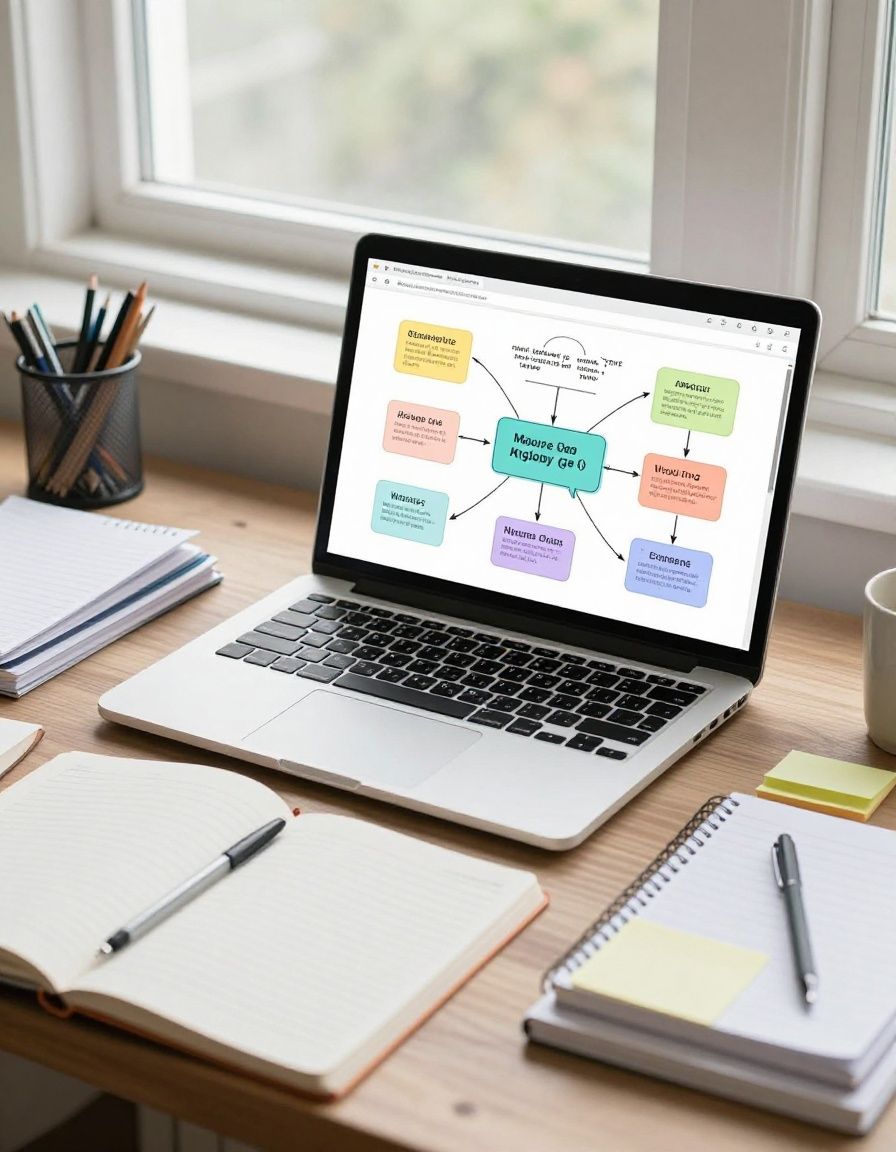
Structuring Your EBook for Readability
A clear structure plays a crucial role in enhancing the readability of your eBook. Readers appreciate a well-organized document that allows them to navigate through content effortlessly. When your material flows logically, readers can follow your arguments and ideas without confusion, consuming your text more thoroughly. Establishing a clear hierarchy of information ensures that essential points are highlighted while less critical details support the main narrative. Visual aids, such as headers and subheaders, organize content and guide readers through your arguments, creating a path they can easily follow.
The formatting style also contributes significantly to how readable your eBook is. Consistency in font type, size, and spacing allows your readers to absorb information without distraction. Too many stylistic variations can pull readers away from the content itself, causing fatigue. For instance, using a sans-serif font can be easier to read on screens, while keeping line size between 1.5 to 1.75 times the font size ensures ample space for the eyes. Pay attention to paragraph length, as shorter paragraphs break up the text and can make it feel less daunting, inviting readers to continue.
Incorporating navigational aids is another practical strategy. Adding a table of contents or section bookmarks helps readers find specific topics quickly. If they want to revisit a particular idea or skip ahead, they can do so without hassle. Internal links to other sections or related topics can enrich their reading experience, providing a way to explore deeper without losing the overall context. Encouraging this kind of exploration can maintain their interest and lead to a more comprehensive understanding of your material.
Creating an engaging eBook requires attention to detail in every structure aspect. Consider using bullet points or numbered lists to break down complex information, making it easier to digest. While maintaining a conversational tone can help hold your readers’ attention, ensure that you balance this with professionalism. The objective is to craft a written piece that speaks to your audience while remaining informative and respectable. Each decision regarding structural elements should strengthen the clarity and coherence of your arguments.
Practicality is key in these strategies. Regularly stepping back from your work and viewing it as your intended readers will help identify areas for improvement. Ask yourself if the flow makes sense and if formatting aids your audience’s journey through the text. A reader-friendly eBook is less about intricate artistic expression and more about delivering information in an easily digestible manner. Always remember, the main goal is to communicate your ideas effectively without overwhelming your audience.
A simple tip is to regularly solicit feedback from early readers or colleagues. Their insights about readability can reveal blind spots and give you a clearer perspective on your structure. They may notice areas that require improved flow or suggest additional navigational aids that could enhance the reading experience. Incorporating this feedback into your revisions will strengthen the readability of your eBook and ensure it effectively serves its purpose.
Creating an Effective Chapter Breakdown
When preparing a chapter breakdown, it is essential to first identify the key themes that will drive the narrative forward. This means pinpointing the core ideas, concepts, or events you want to highlight in each chapter so that they build upon one another logically. Beginning with a clear sense of purpose for each chapter will ensure the reader is guided through your content with ease. Organizing these themes in a natural progression can significantly improve comprehension, allowing readers to absorb information in a way that feels intuitive rather than overwhelming or disjointed. Consider how one idea flows into the next and how each chapter contributes to the overall message or story you want to convey.
Once you have identified the key themes and established a logical order, breaking down each chapter into manageable segments becomes crucial. Dividing the chapter into smaller parts not only helps to maintain a steady rhythm but also guides the reader through complex topics without causing fatigue. This can be achieved by introducing clear, descriptive headings within the chapter that mark transitions between ideas or sections. These headings act like waypoints, helping readers to pause, reflect, and digest what they've encountered before moving on. Furthermore, these smaller segments make it easier to maintain focus and retain information, especially for readers who prefer to nibble on content in shorter bursts.
It is also helpful to think about the narrative arc within each chapter. A chapter should not feel like a collection of unrelated facts or ideas; instead, it should have a beginning, middle, and end that ties back to the key themes established earlier. For instance, starting a chapter by introducing a problem or question, then exploring different facets or examples, and finally summarizing the key takeaway, creates a sense of closure that encourages engagement. By doing so, readers have clear signposts that count as progress and can feel satisfied with each chapter as a meaningful unit of thought. This approach keeps the pacing balanced and prevents readers from feeling lost in a sea of information.
Clarity in writing plays a significant role here too. When breaking chapters into segments, ensure that the language used within each section is straightforward and accessible. Complex ideas gain more traction when presented with relatable examples or analogies that gently illuminate the point. The chapter breakdown should offer a logical pathway that minimizes cognitive strain and enhances the overall reading experience. Remember, the goal is not to flood the reader with dense blocks of text but to create a structured guide that makes learning or storytelling feel natural and engaging.
Another practical point involves flexibility in your chapter breakdown. Even though a planned sequence is crucial, be ready to adjust the structure as you write and revise. Sometimes, new insights or narrative developments might emerge that demand reshuffling sections or adding new segments. An effective chapter breakdown should serve as a living document—a scaffold that supports your writing, not a rigid blueprint that hinders creativity. This adaptability ensures that the chapter remains focused and tight, while also responsive to the evolving needs of the book as a whole.
As you construct your chapter breakdowns, keep in mind that transitions between sections are powerful tools for maintaining reader interest. Smooth connections between segments help the reader see how ideas relate and build on each other. These transitions can be as simple as a sentence or two that references the previous segment before introducing the next, creating a sense of continuity. This technique prevents the chapter from feeling fragmented and encourages readers to stay immersed. Clear, logical transitions work hand in hand with well-chosen headings to keep the reader oriented throughout the chapter.
Lastly, don’t overlook the value of pacing within your chapter breakdown. Balancing detailed explanation with moments of reflection or examples keeps the chapter engaging and digestible. If a chapter becomes too dense, breaking it into smaller units with natural pauses can restore the reader’s attention. On the other hand, rushing through key points without sufficient depth can leave the reader wanting more clarity. A well-designed breakdown respects the natural ebb and flow of information consumption, giving readers enough room to absorb ideas without losing momentum.
A practical tip for creating a chapter breakdown is to sketch out the chapter on paper or using a digital tool before writing. Visualizing how themes and segments connect can highlight potential gaps or redundancies early on. This approach lets you experiment with different orders and segment lengths, helping you strike the right balance between detail and readability. By thoughtfully crafting your chapter breakdown with these considerations, you set a solid foundation for writing chapters that hold readers’ attention and deliver your message effectively.
Incorporating Engaging Elements and Visuals
Choosing the right engaging elements starts with understanding your audience and what captures their attention. Incorporating storytelling can make your content more relatable and memorable, turning facts into narratives that draw readers in. Sharing real-life examples, personal anecdotes, or case studies helps humanize the material, making it easier for readers to connect with the content on a personal level. Interactive prompts, such as questions, quizzes, or reflection exercises, encourage readers to actively participate rather than passively absorb information. This engagement turns your ebook from a simple read into a conversation, increasing the likelihood that your audience truly retains what they've learned.
Visuals are powerful tools for breaking up text and enhancing comprehension. Including images related to your content can clarify complex ideas or provide illustrative examples that words alone might struggle to convey. Infographics combine data and visuals to present information succinctly, making complicated processes easier to grasp at a glance. Charts can demonstrate trends or comparisons that reinforce key points, providing a visual summary that supports your narrative rather than detracts from it. When selecting visuals, aim for high quality and relevance. They should complement your text, not distract from it. Keep visuals simple and clean, avoiding overly busy graphics that can confuse or overwhelm readers.
Integrating visuals into your content is most effective when they are strategically placed. Use them to introduce new sections, highlight important points, or provide a visual summary at the end of a chapter. Think about consistency—using a consistent style or color palette helps create a cohesive look throughout your ebook. Providing captions or brief explanations with each visual ensures readers understand what they're viewing and why it matters. Don’t shy away from combining different types of visuals—images, infographics, diagrams, and charts. Mixed media keeps the page visually interesting and caters to diverse learning styles, making your material accessible and engaging for a broader audience.
Remember, the ultimate goal is to make your ebook inviting and easy to navigate. Including engaging elements and visuals is about enhancing the reader’s experience, making content more memorable, and encouraging further exploration. A practical tip: test your visuals with a few trusted readers or colleagues before finalizing your ebook. Their feedback can help you see whether your visuals genuinely support your message and whether they hold the right level of interest without overwhelming the text. Strive for a balance that stimulates curiosity without cluttering the layout—clear, relevant images paired with compelling storytelling create a reading experience that feels both inspiring and enjoyable.
Setting Realistic Writing Milestones
Establishing achievable milestones helps maintain motivation and provides a clear roadmap for your writing journey. When writing a book, it can be easy to feel overwhelmed by the enormity of the task ahead. By breaking down the writing process into smaller, manageable goals, you create stepping stones that lead to your final manuscript. Consider defining specific milestones based on your project’s requirements. For instance, if you’re writing a nonfiction book, you might set milestones for completing research, drafting chapters, and revising the text. This structure not only gives you a sense of progression but also helps you manage your time effectively.
Setting realistic milestones is also crucial for balancing your writing with other responsibilities. If you typically write in the evenings after work or during weekends, it’s important to consider how much time you realistically have to dedicate to your writing sessions. Instead of aiming to write an entire chapter in one go, you might set a goal to write 500 words a day. This less daunting target allows you to stay committed without feeling exhausted or demoralized. Keeping track of these smaller achievements fosters a sense of accomplishment that can motivate you to keep moving forward.
Strategies for setting realistic deadlines and tracking progress ensure steady completion of your ebook. Start by identifying what you want to achieve each week and then translate that into daily writing objectives. For example, if your goal is to complete a chapter per week, you can break this down into writing a set number of words daily. Utilize tools such as digital calendars, writing apps, or even good old-fashioned notebooks to monitor your deadlines and milestones. Regularly reviewing your progress will keep your goals in sight and allow you to adjust them as necessary.
To maintain motivation, consider incorporating a rewards system that acknowledges your efforts. Celebrate the completion of each milestone, whether that means treating yourself to something special or simply taking a moment to reflect on your hard work. Sharing your goals with others can also create an additional layer of accountability. By discussing your progress with a friend or joining a writing group, you can gain encouragement and support, which can be immensely beneficial during tougher writing days.
Another effective strategy is to remain flexible with your goals. Life can be unpredictable, and sometimes the best-laid plans need to be adjusted. If a certain milestone becomes unrealistic due to unforeseen circumstances, feel free to modify it. Adapting your expectations does not mean you are failing rather; it reflects a realistic approach to your writing journey. Remember, the key is to keep writing, even if that means adjusting your pace or timeline.
As you set and navigate these milestones, remember the importance of consistency over speed. Writing a book is often more about perseverance than it is about racing toward the finish line. A practical tip is to establish a regular writing routine that aligns with your lifestyle. Whether it’s early mornings or late evenings, finding a consistent time to write fosters a habit that can lead to steady progress. As you consistently chip away at your milestones, the completion of your ebook will come into clearer view.
Writing Your EBook Professionally

Developing a Consistent Voice and Style
When you write a book, your voice and style become the unique signature that sets you apart from other authors. They are the invisible thread that runs through every page, shaping how readers connect with your ideas and stories. A consistent voice helps readers recognize your work instantly, building trust and familiarity. Without it, your writing may feel scattered or confusing, making it harder to engage your audience and convey your message effectively. Your voice is more than word choice or sentence structure; it reflects your personality, perspective, and the tone you wish to project, whether it’s warm and conversational, authoritative and direct, or imaginative and lyrical.
Developing a consistent voice and style means making deliberate choices about how you express ideas and sticking to them throughout the book. This consistency creates a rhythm and flow that makes your writing enjoyable to read and easy to follow. It also reinforces your author brand, helping readers know what to expect from your work and encouraging them to return. Whether you want to sound professional and engaging, casual and friendly, or somewhere in between, keeping those elements steady ensures your book feels like a complete, coherent experience rather than a collection of unrelated parts.
One of the first steps to establishing your voice is to understand your target audience and what tone resonates best with them. Consider what kind of relationship you want to build with your readers. Are you aiming to inform, inspire, entertain, or persuade? Your answers will guide the language you choose and how you express your ideas. For example, a professional self-help book might adopt a confident, reassuring tone, using clear, concise sentences to convey trustworthiness. A narrative history might use vivid descriptions and a more reflective voice, inviting readers to imagine themselves in another time. Whatever your choice, clarity and authenticity are key. Readers respond to voices that feel genuine and relatable rather than forced or artificial.
To maintain a cohesive tone and style throughout your book, it’s useful to develop a writing routine that includes reviewing earlier chapters before you continue. This helps you stay connected to your established voice and avoid unintentional shifts in style. It’s also valuable to create a brief style guide for yourself—notes on preferred word choices, sentence length, level of formality, and how you handle things like humor or technical terms. Returning to these notes as you write keeps your work aligned and consistent. Repetition of familiar phrases and stylistic devices can also reinforce your voice, making your writing feel more intentional and polished without becoming predictable or monotonous.
Reading your writing aloud can reveal inconsistencies or awkward phrasing that might be missed during silent reading. If a sentence feels unnatural to say or interrupts the flow, it might be a sign that your voice is wavering or that your style needs tightening. Editing with an ear for how your words sound helps preserve the tone you want and creates a smoother experience for readers. If possible, getting feedback from trusted readers or editors who understand your intended voice is a powerful way to identify areas where your style may drift or become unclear. They can point out moments that feel out of character or disrupt the narrative flow.
Another practical tip is to immerse yourself in writing by authors whose voice you admire and analyze what makes their style consistent. Notice their sentence structures, word choices, pacing, and how they handle transitions. While it’s important to develop your own voice, learning from others refines your awareness of how style works. Practice writing exercises focused on tone—such as rewriting the same scene in different voices or styles—to discover what feels most natural and effective for you. Over time, these experiments contribute to a stronger, more deliberate writing presence that carries through your entire book.
When your voice and style stay true from beginning to end, your writing becomes more memorable and impactful. It invites readers into your world and holds their attention without distractions. Keep in mind that consistency does not mean rigidity; your voice can grow as your ideas mature, but those changes should feel purposeful rather than accidental. A practical way to track your progress is to review your manuscript periodically with fresh eyes, noting where your tone shifts and deciding if those changes enhance the story or message, or if they need smoothing out to maintain unity.
Focusing on the development of your unique voice and style is one of the most rewarding parts of writing. It transforms your book from a simple collection of facts or stories into a personal expression that connects deeply with readers. As you write, remember that every choice you make in phrasing, pacing, and word selection contributes to the tone you create. By being intentional with those choices and revisiting your work regularly, you build a solid, consistent voice that strengthens your author presence.
When you find yourself unsure about your voice or style, try pausing to describe your ideal tone in a few words—such as “clear and direct,” “friendly and approachable,” or “inspiring and thoughtful.” Keep that description visible while you write. This small step can anchor your style and remind you of the voice you are aiming to sustain. A consistent author voice is a powerful tool that not only makes your writing stand out but also builds a meaningful connection with everyone who reads your work.
Maintaining Motivation and Discipline
```htmlWhen it comes to staying motivated, one of the most effective strategies is to set clear, achievable goals paired with routines that support sustained focus. Breaking larger ambitions into smaller, manageable tasks helps prevent feeling overwhelmed and provides a steady sense of progress. Establishing daily or weekly habits that align with your objectives turns good intentions into consistent actions. For example, if your goal is to improve your health, creating a routine of exercising every morning at the same time makes it easier to stay committed. Consistency over time becomes a powerful anchor, turning effort into momentum rather than sporadic bursts of motivation that fade quickly.
Overcoming obstacles and managing setbacks require a practical mindset. Accept that challenges are a natural part of any long-term effort and view setbacks as temporary hurdles, not failures. When facing a dip in motivation or encountering unforeseen difficulties, pause to revisit your reasons for starting. Reminding yourself why you embarked on this journey can reignite your drive. Developing resilience is about adjusting your approach without losing sight of your goals. If a particular routine isn’t working, tweak it rather than quitting altogether. Small wins, like completing a task you once thought was too difficult, can build confidence and reinforce the habit. Talking to a supportive friend or mentor also provides encouragement when doubts creep in, reminding you that setbacks are part of growth, not the end of the road.
To sustain motivation over the long run, it helps to celebrate small successes along the way. Recognize and reward your efforts, whether that’s taking a moment to acknowledge a week of consistent work or treating yourself after reaching a milestone. Keeping a journal of progress can also provide tangible proof of your achievements, which boosts morale during tougher times. Building flexibility into your routine means allowing room for life’s unpredictable moments, so a missed workout or a day off doesn’t derail your entire plan. Remember that discipline is not about perfection but about persistence—doing what needs to be done despite feelings of fatigue or distraction. Cultivating patience and self-compassion will serve as essential tools when motivation wanes; understanding that progress often comes in small steps helps you stay committed without feeling discouraged.
A key tip for maintaining discipline is to develop a system of accountability. Sharing your goals with a friend, joining a community, or tracking your progress with apps creates external motivation that helps you stay focused. When others know about your commitments, it often compels you to follow through. Also, establishing visual cues, such as placing reminders or motivational quotes in your environment, can reinforce your intentions. Remember, maintaining motivation and discipline is a continuous process. Some days will be easier than others, but having a resilient mindset and a practical plan ensures you keep moving forward, even when the enthusiasm temporarily dips. The habit of getting back on track after obstacles can be the single most powerful influence on your long-term success.
```Overcoming Writer’s Block
Writer’s block can manifest in various forms, often rooted in both emotional and psychological factors. Common causes include the fear of not meeting personal or external expectations, perfectionism, or even a lack of inspiration. The pressure to produce outstanding work can create an internal barrier, leading to self-doubt and anxiety. Writers may also find themselves staring at the blank page due to life’s distractions or an overwhelming number of ideas that create confusion rather than clarity. Understanding these underlying causes is the first step toward dismantling writer’s block and regaining momentum in the creative process.
The impact of writer’s block extends beyond just the inability to write. It can lead to frustration, diminished confidence, and even a reluctance to engage in writing altogether. This cycle can become self-perpetuating, where the longer the block persists, the more daunting the task of writing appears. Acknowledging writer’s block as a common experience, rather than a personal failure, can help alleviate some of the pressure. By recognizing that many writers face similar challenges, one can reframe the situation and approach it with a mindset focused on solutions.
To overcome writer’s block, employing practical strategies and mental techniques can reignite creativity and productivity. One effective method is to establish a regular writing routine. Setting aside dedicated time each day to write, even if the content feels subpar, can help create a habit. This consistent practice fosters a sense of normalcy and dedication, making it easier to push through the discomfort of a block. Limiting distractions during writing sessions is also crucial. This may mean turning off notifications or creating a specific workspace conducive to focus and inspiration.
Another approach is to change the writing environment or routine. Sometimes a shift of scenery, whether it be a different room, a café, or a park, can invigorate creativity. Additionally, giving oneself permission to write anything, without the pressure of perfection, can release creative energy. Engaging in free writing, where the goal is simply to let thoughts flow without judgment or structure, can serve as a valuable warm-up. This practice helps break through mental barriers by allowing the writer to explore ideas and emotions without the confines of editing.
Incorporating mental techniques can also be beneficial for overcoming writer's block. Visualization, for example, allows writers to imagine their successful writing process or the moment their ideas come together. By mentally rehearsing these scenarios, one can diminish feelings of anxiety surrounding the writing task. Mindfulness and meditation can further help in quieting the mind and creating a space where creativity can flourish. Taking a moment to breathe deeply and center oneself can provide clarity and reduce stress, refreshing one’s perspective on writing.
It can be helpful to solicit feedback from peers or join a writing group. Sharing work with others provides fresh insights and encouragement, which can reignite a writer's passion for their project. Collaborating with fellow writers can open new avenues of inspiration and motivation. Additionally, reading widely across various genres can spark new ideas and remind writers of the joy and purpose of storytelling. Sometimes, immersing oneself in a different narrative can break the monotony and inspire one to return to their work with renewed enthusiasm.
As a practical tip, keeping a journal dedicated solely to ideas, snippets, or even daily observations can be beneficial. Writing down thoughts unrelated to one’s current project can distract the mind while preserving the creative flow. This not only minimizes pressure to produce something'great'but also fosters an organic growth of ideas over time. Embracing the unpredictable nature of the creative process and allowing oneself to be okay with not having all the answers can create a healthier relationship with writing.
Editing and Revising for Clarity and Impact
Carefully reviewing your manuscript transforms your initial draft into a polished piece of writing that truly connects with readers. This phase goes beyond simply fixing typos or grammatical errors; it ensures that every sentence serves a clear purpose and that your ideas flow smoothly. Clarity is achieved when readers can understand your message effortlessly, without stumbling over awkward phrases or confusing passages. Coherence emerges as your thoughts and information build logically from one point to the next, creating a strong narrative or argument. The professional quality of your manuscript reflects not just accuracy but also a thoughtful structure and a refined tone that resonates with your audience. By focusing on these elements, your work will stand out as thoughtful and credible, inviting readers to engage fully with your content.
One of the most effective methods to enhance your manuscript is to step away from it for a while after completing your first draft. Time and distance allow you to return with fresh eyes, making it easier to spot inconsistencies or unclear sections. When you begin editing, read the text aloud. Hearing your words can reveal awkward wording or repetitive phrases that might slip past silent reading. Editing is not just about cutting; it also involves expanding or rearranging parts to improve flow and impact. At this stage, pay attention to sentence length and variety—short sentences create punch, while longer ones build atmosphere and detail. Another key strategy involves seeking feedback from trusted readers or editors. These outsiders bring a new perspective and may notice gaps or confusion that are invisible to you as the creator. Listening to such feedback helps refine your message and ensure it resonates as intended. Refining language means replacing vague or passive words with precise and active alternatives that energize your writing. Finally, polishing your ebook includes checking formatting details, ensuring consistent font use, and verifying that headings and images align with your narrative. These finishing touches solidify your work as not only clear but also appealing and professional.
Beyond technical corrections, revising for impact means re-examining your core message: is it coming through powerfully? Sometimes a scene, argument, or explanation might be clear but lacks the emotional or intellectual pull needed to captivate readers. Consider restructuring or emphasizing key ideas to strengthen that connection. Remove jargon or overly complex language that may alienate readers, even if it feels accurate. Simplicity often carries more weight and accessibility, drawing a broader audience. Remember, every sentence should either provide necessary information or advance your story or argument. Unnecessary filler dilutes your message and risks losing reader interest. Lastly, remember that editing and revising are ongoing processes. Each round of review uncovers new ways to improve and refine, leading to a manuscript that is not only clear and coherent but also memorable and compelling. A helpful tip is to maintain a separate checklist of common issues you encounter while editing. Addressing these systematically saves time and improves consistency across your entire work.
Designing an Attractive Cover and Layout

Principles of Effective Cover Design
A compelling book cover begins with understanding what visually captures attention and draws a potential reader in. The core elements that make a cover work are centered around clear communication and visual balance. Imagery, typography, color, and overall composition must work together to convey the essence of the book without overwhelming or confusing the viewer. A strong cover isn’t just about looking good; it must also tell a story or evoke curiosity, making someone want to pick up the book and learn more. When these elements align harmoniously, they create a cover that stands out among countless others on a shelf or in an online thumbnail.
Applying fundamental design principles is key to crafting a cover that effectively communicates and attracts. Simplicity is paramount; overloading a cover with too many images or fonts can dilute its message. A clean, focused approach helps highlight the most important elements. Contrast plays a crucial role by guiding the viewer’s eye—using differences in color, size, or placement to emphasize key parts like the title or central image. Alignment ensures that all elements are organized logically and aesthetically, leading to a natural flow that feels balanced rather than chaotic. These principles are not strict rules but guidelines that, when used thoughtfully, help create visually appealing and meaningful covers.
Color choice influences mood and perception profoundly. Bright, bold colors tend to attract immediate attention, while muted tones can evoke sophistication or calmness. The typography, or the way the title and author’s name are styled, needs to be legible and aligned with the book’s mood. For example, a thriller might feature strong, sharp fonts, while a romance could lean toward soft, flowing scripts. The imagery selected should complement the genre and tone of the story, making sure it supports what the book promises without misleading the reader. The overall composition must be balanced so that no single element overpowers the others—every part should have a purpose and fit cohesively within the design.
Practicing restraint often yields the most effective results. Less clutter allows the main message to shine through and makes the cover easier to understand at a glance. For example, a single, striking image paired with clean typography can be much more powerful than a crowded layout. Consistent visual hierarchy guides the viewer naturally from the most important information, such as the title, to secondary details, like the author’s name. Testing different layouts and seeking honest feedback can reveal what truly works. Remember, the aim is to create a cover that not only looks good but also resonates with potential readers and clearly communicates the book’s genre and tone. A practical tip is to start with a simple concept and add elements gradually, always asking if each part contributes to the story you're telling visually.
Choosing Colors and Typography
Selecting appropriate colors for your ebook is essential, as colors have the power to evoke emotions and set the overall mood. Warm colors, like reds and oranges, can create a sense of excitement or urgency, while cooler colors, such as blues and greens, often convey calmness and relaxation. When choosing colors, consider the emotional response you want to elicit from your readers. You should also keep readability in mind; high contrast between text and background colors is crucial for ensuring that your message is easily accessible. For example, black text on a white background is classic and effective, but shades of gray or dark blue on light backgrounds can offer a softer appearance while remaining readable.
Another important factor is the combination of colors you use. A color palette should be cohesive, using a primary color for most of the text and accents in complementary colors to draw attention to specific elements. Tools like Adobe Color or Coolors can help you experiment with different palettes until you find one that resonates with your content and audience. Beyond emotions, color choices also reflect your ebook’s theme. A nature-themed book may benefit from earthy tones, while a tech-focused ebook could use more modern shades like cool grays and bright accents. This visual consistency can strengthen your overall message.
Choosing the right typography goes hand in hand with color selection. Typography refers not just to the font you pick but also to how it appears on the page. The right typeface enhances clarity while also reflecting your ebook's tone and subject matter. For instance, serif fonts like Times New Roman or Georgia can give a more traditional, authoritative feel, while sans-serif fonts like Arial or Helvetica are often seen as modern and approachable. Consider how your chosen font aligns with the material you're presenting. A book on design may call for creative and artistic types, while a technical manual may require something simpler and more straightforward to ensure easy comprehension.
Moreover, font size, line spacing, and alignment are significant aspects of typography. A larger font size improves readability, especially for audiences that may include older adults or those with visual impairments. A typical size for body text ranges from 10 to 12 points. Line spacing should give enough room for each line to breathe, helping readers to track their reading without losing their place. Similarly, left-aligned text is usually the best option for readability in Western languages, as it enables a consistent starting point for each line. Ultimately, the goal is to create a harmonious balance between text and visuals to make the reading experience as pleasant as possible.
Finally, testing different color and typography combinations with your target audience can provide invaluable insights. Sharing drafts with a small group can reveal preferences that may not have been apparent during the design phase. Feedback can guide you on potential readability issues, emotional responses to colors, and overall visual appeal. This iterative approach of trial and error can transform your ebook into a polished and professional piece that resonates with your readers. Consider applying these practical tips as you craft your ebook to ensure both your color choices and typography reflect the essence of your content while maintaining clarity and engagement for your audience.
Formatting Your EBook for Different Devices
When preparing an eBook, one of the most crucial steps is ensuring it looks polished and professional no matter what device it’s viewed on. Readers use a variety of gadgets—ranging from small smartphones to large tablets and dedicated eReaders like Kindles or Nooks—each with its own screen size, resolution, and display capabilities. A well-formatted eBook must adapt to these differences smoothly, providing a comfortable reading experience without awkward layouts, broken text, or images that don’t display properly.
Responsive formatting refers to this flexibility. It means your eBook’s content can adjust itself based on the device’s screen size and orientation, reflowing text naturally and resizing elements like images or tables. Without responsive formatting, a book might look cramped on smaller screens or sparse and awkwardly spaced on larger ones. This can frustrate readers and distract from the story or information you want to share. Therefore, mastering responsive formatting is not just a technical detail—it directly impacts how your audience engages with your work.
Achieving this begins with understanding the difference between fixed-layout and reflowable formats. Fixed-layout designs freeze content in place, maintaining exact positioning, which works well for image-heavy books like graphic novels but doesn’t scale well if the screen changes. Reflowable formats, on the other hand, allow text and other elements to shift fluidly, adapting line breaks and page breaks to fit the screen. Most fiction and nonfiction eBooks benefit from reflowable layouts, offering the best reading experience across devices.
The choice of formatting tools plays a big role in how well your book adapts. Common formats include EPUB, MOBI, and PDF, each with strengths and limitations. EPUB is widely accepted and supports reflowable content, while MOBI files are often used for Amazon’s Kindle devices. PDFs tend to have fixed layouts and can be problematic on smaller or differently proportioned screens. Knowing your target audience’s preferred reading devices will help guide your formatting choices and optimize presentation.
Once your eBook is drafted, the next step is converting it into formats that work well across popular devices. This process is more than just exporting a file; it involves careful attention to structure, navigation, and media integration. For example, properly tagged headings not only organize your content but also enable readers to jump quickly between chapters using built-in navigation menus. Embedding fonts and ensuring image resolution matches the screen requirements can prevent fuzziness or slow loading times. Every detail counts in creating a smooth, professional product.
Testing is an essential phase before publishing. Even the best formatting can behave unpredictably on different screens. Using emulators and preview tools can give an initial sense of how your eBook looks on various devices, but nothing replaces testing on actual hardware. Checking your eBook on a range of smartphones, tablets, and eReaders uncovers issues such as inconsistent font sizes, unexpected page breaks, or problematic image scaling that can spoil the reader’s experience. Each platform may handle things like hyperlinks, footnotes, or multimedia slightly differently, so exhaustive testing ensures your book performs well everywhere.
Adjusting your formatting and revisiting conversions after testing helps iron out these glitches. Sometimes it means tweaking CSS styles or reorganizing chapter breaks; other times it involves revising image formats or resizing graphics. Staying patient and open to making changes prevents frustrating early reviews from readers who encounter technical problems. In today’s competitive eBook market, attention to format quality can be as crucial as the content itself.
A practical tip to keep in mind is to avoid overcomplicated layouts and excessive use of non-standard fonts or complex interactive elements unless necessary. Simplicity often leads to better compatibility, ease of file size management, and quicker load times. Balancing aesthetics with functionality delivers a format that supports your writing’s impact without distracting or hindering the reader.
Using Visuals to Enhance Content
Effective visuals have a remarkable ability to grab the reader’s attention right from the start. A compelling image or an eye-catching infographic can immediately highlight the main themes of your content, making it easier for the audience to understand and retain key messages. Visuals break up large chunks of text, giving the eye a rest and inviting the reader to engage more deeply. When chosen carefully, they add clarity and context that words alone might struggle to convey, making complex ideas more accessible.
Integrating visuals seamlessly into your layout is essential for maintaining a professional and organized appearance. Visuals should complement the flow of your text, not distract from it. Place images close to the relevant content so that readers see the connection without needing to search for context. Use consistent styles and color schemes to create a unified look. Proper alignment and spacing can make your pages more inviting, guiding the reader naturally from one section to the next without feeling disjointed. When visuals are well incorporated, they enhance not only the readability but also the overall aesthetic appeal of your work.
Choosing the right type of visuals depends on your message and audience. Photographs can add authenticity, especially in storytelling or case studies. Charts and graphs are excellent for illustrating data or comparisons succinctly. Illustrations or icons can simplify abstract concepts, making them easier to grasp. Videos or interactive elements can engage viewers on a different level, providing a richer learning experience. When selecting visuals, always prioritize clarity and relevance—every image should serve a clear purpose and support your content’s main points.
Finally, remember that balance is key. An overload of visuals can clutter your layout and dilute your message, while too few might leave your content dull and unengaging. Strive for a harmonious mix where visuals enhance your narrative rather than overshadow it. Testing different arrangements can reveal what resonates best with your audience, and asking for feedback can help fine-tune your approach. A smartly curated collection of visuals not only makes your content more engaging but also more memorable, leaving a lasting impression that pure text alone might not achieve.
Optimizing Your EBook for Search and Discoverability

Understanding Keywords and SEO Strategies
Keywords play a crucial role in increasing an eBook's visibility in search results. When potential readers search online, they use specific terms or phrases related to the content they hope to find. This is where choosing the right keywords becomes essential. Well-researched keywords help your eBook appear in front of the audience most likely to be interested in your subject matter. Think about the words you would use to search for a book like yours. From there, creating a list of relevant keywords can significantly enhance your eBook's discovery. It is beneficial to incorporate these keywords into the title, subtitle, and description of your eBook. This ensures that search engines like Google and Amazon can recognize the relevance of your content to user queries.
Additionally, understanding the competition for specific keywords can guide your strategy. Tools like Google Keyword Planner and Ubersuggest help you analyze how often certain keywords are searched and how competitive they are. A combination of broad and niche keywords can create a balanced approach to visibility. Broad keywords may attract more traffic, but niche ones often lead to higher conversion rates since they target a more specific audience. Regularly revising and updating your keywords based on trending topics and reader interests also proves beneficial in keeping your eBook relevant and discoverable.
Implementing effective SEO strategies is crucial for optimizing your eBook’s discoverability across various platforms. Start by ensuring that your eBook cover and title are visually appealing and contain key phrases that will resonate with your audience. Your book’s metadata, which includes the title, author name, and description, should be carefully crafted to include target keywords. This allows search algorithms to connect potential readers with your eBook seamlessly.
Many platforms offer additional tools to enhance your eBook's SEO performance. Utilizing categories and tags effectively can also help readers find your book more easily. Consider where your eBook will be sold. Each platform may have unique requirements or best practices for SEO. Adhering to these will help elevate your eBook's visibility among competing titles. Finally, social media plays a supportive role in SEO. Sharing engaging content related to your eBook and encouraging discussions can drive traffic to your listing, improving its likelihood of appearing in search results.
Understanding the intersection of keywords and SEO is the first step toward increasing your eBook's reach. Regularly engaging with your target audience about the topics in your eBook will also aid in refining your keyword strategy. This feedback can help ensure your eBook remains relevant and continues to attract new readers over time.
Crafting a Compelling Book Title and Subtitle
A book’s title and subtitle serve as the first handshake between the author and potential readers. They can spark curiosity, promise value, or simply explain what the book is about. A strong, carefully crafted title grabs attention immediately, making readers pause and consider the book instead of scrolling past it. Alongside the title, the subtitle offers a chance to clarify the book’s content or its unique angle, reinforcing the initial interest. Together, they create a pivotal gateway that not only captivates but also helps readers quickly decide if the book meets their needs or interests.
Beyond catching the eye, titles and subtitles play a crucial role in discoverability. In today’s crowded market, where thousands of new titles appear daily, having a name that shines in search results matters a great deal. The right combination of words can boost a book’s visibility on online retailers and digital libraries, making it easier for readers to find it among countless others. Using relevant words that potential readers may type into search bars can connect the book with an active audience eagerly seeking exactly what the author has written. This strategic approach to naming is a chance to reach readers before they even open the first page.
The impact of a compelling title and subtitle extends beyond simple discovery. They build expectations about the book’s tone, style, and content. A title with too much jargon or ambiguity can create confusion, while one that clearly communicates the book’s promise can establish trust. When readers feel confident that a book aligns with their interests, they are more likely to click, buy, and recommend it. The title and subtitle are not just labels; they are powerful tools that shape a reader’s initial impression and influence their willingness to invest time and money.
Crafting an effective title begins with a deep understanding of the book’s core message and audience. The goal is to strike a balance between being evocative and informative. Including keywords that naturally fit the book’s theme can boost search engine rankings, but these must be woven seamlessly into engaging language. Avoid titles that sound generic or overly complex, as they can lose potential readers quickly. Instead, focus on words that resonate emotionally or intellectually, drawing readers closer by promising a benefit, insight, or solution.
Subtitles offer an opportunity to expand on the title, setting clear expectations and highlighting unique selling points. An effective subtitle often answers a question the reader might have after reading the title, adds a descriptive element, or clarifies the scope of the content. It can include keywords that didn’t fit naturally into the title, broadening the book's reach. For example, if the title is catchy but vague, the subtitle should provide the context needed, making the book’s value immediately obvious. Combining creativity with straightforward language ensures that both parts work together effortlessly, guiding the reader toward a purchase decision.
The process of refining titles and subtitles often involves testing different options and seeking feedback. Writers frequently brainstorm numerous variations before settling on the best fit. This experimentation helps reveal which titles resonate more strongly and which subtitles clarify the book’s content best. Reading the title aloud, imagining it on a bookstore shelf, or considering how it appears in search results can help authors assess its effectiveness. Remember that a title must be concise but packed with meaning—every word counts.
Consider the power of emotion and clarity in the title and subtitle. A title that connects with a reader’s hopes, fears, or goals often performs better than one that simply describes the topic. At the same time, clarity does not have to sacrifice creativity; these elements can work side by side. For example, a title might be intriguing and bold, while the subtitle clearly outlines what readers can expect to gain. The right balance helps ensure the book appeals both to casual browsers and serious seekers. Crafting a title and subtitle with these elements creates a magnetic invitation that draws readers in consistently.
A useful approach is to think of the title as the hook—the part that captures attention and invites deeper interest—and the subtitle as the promise that sets expectations. Both need to be honest reflections of the book's content. Misleading titles can generate initial interest but usually lead to disappointment, damaging the author’s reputation over time. Effective titles and subtitles act as honest sales pitches, clearly communicating why a reader should pick up the book without overselling or underdelivering. Ultimately, this builds lasting trust and encourages positive word of mouth.
When considering keywords, focus on terms that readers are actively searching for but are not so competitive that the book will be buried under thousands of results. Including terms that are specific and relevant allows the book to reach targeted readers who are most likely to engage deeply with the content. Subtitles can be especially useful for this, since they have more space to describe and incorporate these key phrases without making the main title cumbersome or dull. This balance can greatly improve visibility without sacrificing appeal.
One quick tip to help writers at the title stage is to put themselves in the shoes of their ideal reader. Ask what kind of phrase or promise would catch their attention in a crowded online bookstore or library catalog. What words would spark curiosity or clearly solve a problem? Testing different ideas with friends, fellow authors, or potential readers can provide fresh perspectives and insight into what works best. This feedback can transform a good title into a great one and ensure the subtitle complements it perfectly.
Writing an Engaging Book Description
Creating an authentic and compelling book description is essential for capturing potential readers’ attention and clearly communicating what your book offers. Instead of vague promises or generic summaries, focus on highlighting the unique aspects of your story or content. Think about what makes your book different—whether it’s a fresh take on a popular genre, a heartfelt message, or practical advice that readers can’t find elsewhere. Use language that resonates with your target audience and makes them feel excited about the possibility of reading your book. Remember, honesty is key; readers sense when descriptions are exaggerated or untruthful, which can lead to disappointment and negative reviews.
Utilizing strategic keywords and clear language is crucial for improving your book’s discoverability on online platforms. Incorporate relevant keywords naturally into your description without forcing them in, so it reads smoothly and genuinely. Think about what words or phrases potential readers might search for when looking for a book like yours. For example, if your book is about healthy cooking, include terms like ‘quick healthy recipes’ or ‘easy nutritious meals.’ Stay away from confusing jargon or overly complex language—simplicity helps potential readers understand exactly what they’re getting. Clear and straightforward descriptions not only attract the right audience but also make it easier for algorithms to recommend your book to interested readers.
Focus on the benefits your book offers. Instead of just listing what’s inside, tell readers how it will improve their lives or satisfy their curiosity. For fiction, this could be the emotional journey they’ll experience or the problem your story solves. For non-fiction, emphasize practical insights or skills they’ll gain. Use vivid language that draws readers in—imagine they’re talking to a friend who needs convincing. Think about questions your target audience might have and answer them in your description, such as "Will this help me sleep better?" or "Can this save me time in my busy schedule?" Making your description relatable and personable helps forge a connection even before they open the first page. Adjust your tone to match the audience—more formal for professional topics, more casual and fun for entertainment or hobbies.
Another wise move is to review successful book descriptions within your genre. Notice how they quickly communicate the core idea and hook the reader with just a few sentences. Take note of the language, tone, and structure—these elements can inform your own approach. Don’t hesitate to revise and refine your description over time; what works today might need tweaking tomorrow. Experiment with different versions to see which one resonates most. Always keep in mind that your book description is often the first impression, so it should be polished and engaging without sounding overly salesy or exaggerated. Instead, aim for genuine enthusiasm—your passion for the subject or story will leap off the page and invite others to share in it.
Finally, remember that a good book description serves as a promise—set appropriate expectations that you can meet. Avoid spoilers but be intriguing enough to pique curiosity. Think of it as a conversation rather than a pitch; focus on truthfulness, clarity, and the specific value your book provides. The more authentic and approachable your description feels, the more likely it is to connect emotionally with potential readers. Keep it fresh and relevant, updating it if you make significant changes to your book or receive new insights into what appeals to your audience. The goal is to create a description that feels honest, compelling, and easy to understand, turning casual browsers into eager readers willing to give your book a try.
Leveraging Metadata for Better Visibility
Metadata serves as the backbone for content discoverability in the ever-growing ebook marketplace. It encompasses essential details such as the title, author name, genre, keywords, and descriptions that help categorize and define a book. When properly utilized, metadata acts like a spotlight in a vast library, guiding potential readers to the right titles among countless options. In a digital environment where competition is fierce, high-quality metadata significantly influences how easily a book can be found. The right metadata can boost a book's ranking in search results, enhance its visibility across platforms, and attract a wider audience. This is especially crucial for self-published authors and small publishers who may lack the marketing resources of their larger counterparts.
Understanding how to effectively utilize metadata can lead to better outcomes for both visibility and sales. Potential readers rely on metadata during their search process. They use keywords to find books that align with their interests, while categories help them discover new titles in specific genres. When metadata is current and descriptive, it not only guides discovery but also sets the expectations for the reading experience, which can ultimately lead to positive reviews and lasting readership. Poorly crafted metadata can result in books being overlooked or misrepresented to customers, a costly mistake in a crowded market.
To optimize metadata and enhance visibility, one must start with keyword selection. Keywords should reflect the main themes or subjects of the book while considering what potential readers might search for. Researching trending keywords in your genre can help identify relevant terms that capture interest. It is beneficial to think like a reader and imagine the phrases they might type into search engines or platforms such as Amazon. This process enables content creators to align their metadata with likely search habits, increasing the likelihood of being discovered.
Categorization is another crucial aspect of metadata. Selecting the appropriate categories is essential for positioning a book correctly within the market. Categories serve as the framework for how books are organized and discovered. By choosing specific categories that align with the book's content, authors ensure their work appears in relevant search results. It's important to thoroughly explore various categories offered by publishing platforms and select those that best match the book’s themes and target audience.
Crafting an effective book description is equally important. A strong description should be engaging, summarizing the book's main elements while drawing in potential readers. This is the opportunity to illustrate what sets the book apart and why it deserves attention. Utilizing emotional language and enticing hooks can inspire readers to take the next step and purchase or download the book. Keep in mind that a well-written description does not just inform—it also captures the essence of the storyline or subject matter, appealing directly to the intended audience.
Lastly, it can be beneficial to update metadata regularly. As trends evolve and reader preferences shift, adapting the metadata to reflect these changes can maintain or boost visibility over time. Seasonal keywords, emerging genres, and audience feedback can all provide insights that inform adjustments in metadata strategy. Staying aware of the market and being flexible can significantly enhance a book's chances of being found in a digital space that is constantly changing.
For authors looking to maximize their reach, it’s crucial to remember that metadata is not a one-time effort but an ongoing strategy. Regularly reviewing and optimizing metadata ensures that it remains relevant and effective in attracting the right audience. This proactive approach could spell the difference between a book that languishes in obscurity and one that enjoys a well-deserved spotlight.
Publishing Platforms and Distribution Channels

Overview of Major EBook Retailers
Amazon Kindle, Apple Books, and Barnes & Noble Nook stand out as the primary platforms that connect authors with a vast and varied audience. These retailers dominate the eBook market, offering extensive reach and reliable distribution channels. Through these platforms, authors can efficiently bring their books to readers across multiple countries and demographics, maximizing visibility without the need for traditional publishing routes. Amazon Kindle, in particular, has a massive global footprint, making it an essential place for authors seeking widespread exposure. Apple Books taps into the large user base of iOS devices, while Barnes & Noble Nook has a strong presence within the United States, especially among loyal customers who frequent physical bookstores as well as online.
Each of these retailers offers a distinct experience, with unique features tailored to their audience and platform strengths. Amazon Kindle provides flexible pricing options and promotional tools such as Kindle Unlimited and Kindle Countdown Deals, which help authors increase discoverability. Submitting a manuscript to Kindle Direct Publishing is straightforward, but authors should be aware of formatting standards and metadata requirements to make their titles stand out. Apple Books leverages the sleek design of iOS devices with an intuitive interface that appeals to readers who value aesthetics and seamless integration with other Apple services. Its submission process demands attention to specific file formats and high-quality covers, emphasizing a polished presentation to capture readers’ interest. Barnes & Noble’s Nook prioritizes author support through direct communication and promotional assistance, and it appeals to readers who often value curated selections and recommendations. Understanding the submission protocols—such as file types and editorial guidelines—and the demographic preferences of each platform guides authors in making strategic decisions about where to focus their efforts.
Knowing the audience each retailer attracts helps authors fine-tune their marketing and sales strategies. Amazon Kindle reaches a broad international audience that spans countless genres and tastes, from fiction and nonfiction to niche topics. It supports independent authors with tools that allow for direct engagement with readers and real-time sales reporting. Apple Books’ users tend to be invested in the Apple ecosystem, often favoring titles that align with their device experience and lifestyle. This retailer can be particularly useful for authors who create visually rich content, such as graphic novels or illustrated works. On the other hand, Barnes & Noble Nook appeals to a somewhat more traditional book buyer, often one who might still value physical books but is open to digital reading for convenience. This blend makes the Nook a worthy consideration for authors targeting readers who appreciate a trusted name in book retail combined with a reliable eBook experience.
When authors fully understand these platforms’ strengths and submission details, they position themselves to make informed choices that increase visibility and sales. Adapting your manuscript format, cover design, and promotional efforts to fit the style and expectations of these major retailers creates a smoother publishing experience. The broad reach of Amazon, combined with Apple Books’ sleek user base and Barnes & Noble’s loyal community, offers a well-rounded digital distribution strategy. Consider testing your book’s presence on multiple platforms to gauge where engagement is strongest, and remember, a polished presentation aligned with each retailer’s standards often leads to better reader reviews and sales performance. Ensuring your eBook is ready for these platforms not only opens doors to millions of readers but also builds a foundation for long-term success in the digital marketplace.
Self-Publishing vs Traditional Publishing
Self-publishing offers authors a way to bring their books to market quickly and with full control over every aspect of the process. When choosing this route, writers can set their own deadlines, make all creative decisions, and determine how their book is presented to readers. This flexibility removes many of the hurdles typically associated with traditional publishing, such as waiting for an agent or publisher to accept a manuscript. Instead, authors are empowered to publish as soon as they are ready, whether that means releasing a single ebook or printing a limited run of physical copies. This approach has become increasingly accessible with the rise of digital platforms, making it possible for even first-time authors to publish their work without significant upfront investment. Self-publishing also allows writers to experiment with different titles, genres, or formats, giving them the freedom to discover what resonates most with their audience.
On the other hand, traditional publishing offers a different set of advantages, primarily centered around credibility, professional support, and broader distribution networks. Getting accepted by a reputable publisher signals a certain level of quality and can help establish an author's reputation more quickly. Traditional publishers have experienced editors, cover designers, marketing teams, and sales channels that significantly boost the potential reach of a book. They also handle many administrative tasks involved in publishing, freeing the author from worrying about formatting, distribution, or legal issues. However, gaining entry into this world is selective; publishers often receive thousands of submissions and only accept a small percentage. The process can take years, involve rejection, and mean giving up some creative control. Once accepted, though, authors often benefit from advances and royalties that can add up to a steady income if the book performs well.
Choosing between self-publishing and traditional publishing ultimately depends on what an author values most. Those who prioritize control, speed, and the ability to directly connect with their readers gravitate toward self-publishing. In contrast, writers looking for industry validation, professional backing, and wider distribution may prefer traditional routes. It’s also common for authors to explore hybrid options, such as initially self-publishing to build an audience or generate buzz before seeking interest from traditional publishers. Understanding the costs and risks associated with each path helps clarify which approach aligns best with individual goals. If retaining full ownership over the content and process sounds appealing, self-publishing likely fits the bill. Alternatively, if leveraging established networks and expert support appeals more, traditional publishing remains a strong choice.
One practical tip is to research successful authors within your genre—note how they published their first books and what paths they took. Many bestsellers started on one route but later moved to another. Recognizing that each path has its own set of challenges and opportunities can help you make a more informed decision. Remember, the publishing world is not one-size-fits-all. Your choice should reflect your long-term ambitions, your willingness to handle logistics or delegate them, and how much control you want over your creative work.
Choosing the Right Publishing Platform
Choosing the right publishing platform for your ebook is an essential step that can significantly affect your success as an author. Various platforms cater to different genres, goals, and target audiences. Understanding your own objectives is crucial before selecting a platform. For example, if you write fiction, platforms that emphasize narrative storytelling might align better with your needs. On the other hand, if your ebook covers technical or academic topics, you may want a platform that has a strong reputation in those areas. Researching potential platforms will help you assess which one aligns best with not only your content but also the reader demographic you aim to reach.
It’s wise to consider where your target audience is likely to find and purchase your ebook. Popular platforms like Amazon KDP provide vast reach with millions of users, while niche platforms might cater to specific audiences. Think about your marketing strategy as well; a broader audience might require a more widespread platform, while a specialized readership could benefit from a targeted approach that a niche site can offer. Additionally, pay attention to trends in ebook consumption in your genre. Are readers leaning towards self-publishing? Are they gravitating towards audiobooks? This context will help you make an informed decision.
When selecting a publishing platform, there are several key factors to weigh in your decision. Royalty rates can vary widely between platforms, impacting your earnings. Some platforms offer higher percentages, while others may charge additional fees for services. Understanding the financial implications is crucial. Also, consider the distribution reach of each platform. A platform might promise significant profits, but if it doesn’t provide adequate exposure, your sales can suffer. Explore how each platform distributes books—does it only sell on its own site, or does it partner with other retailers? This aspect is essential for maximizing your book’s visibility.
Formatting requirements can also present challenges. Some platforms have specific guidelines to follow, which can be both time-consuming and complex. Before committing, check if the platform provides tools or services to help you with formatting, as a smooth transition can save you effort. Author support is another critical area to investigate. Some platforms offer extensive resources, including guidance on marketing and promotional strategies. Seasonsed authors often appreciate networks for feedback or advice that some platforms provide. Their level of support can influence your publishing journey significantly.
Becoming familiar with each platform’s user interface is also beneficial. A system that is easy to navigate can save you time and stress in the long run. Trying out a few of them can help you discover which feels right to you. Additionally, it might be advantageous to check reviews or testimonials from other authors. Their experiences can shed light on the realities of using a particular platform, including potential pitfalls you might want to avoid. Connecting with an online community of writers could also help you gather insights based on their direct experiences.
Ultimately, choosing the right publishing platform is about aligning your unique needs with what each platform offers. By evaluating your genre, understanding your audience, and thoroughly investigating options, you can make a decision that supports your goals. Additionally, keeping in mind that your choice can shape not just your sales but also your writing career might help you prioritize this process. Remember that the best platform allows you flexibility and encourages creativity. Stay informed, research your options, and choose the one that feels right, as this choice could impact your work's future.
Setting Up Your EBook for Distribution
Getting your eBook ready for distribution starts with making sure it meets the technical and formatting standards required by the platforms where you plan to publish it. Each major retailer or distributor has its own set of guidelines, and adhering to these details can save you from delays or rejections. The most widely accepted formats include EPUB and MOBI, with EPUB being the standard for most stores like Apple Books and Barnes & Noble, while MOBI is commonly used for Amazon’s Kindle. Preparing your manuscript involves carefully converting your text into one of these formats, using tools such as Calibre, Adobe InDesign, or dedicated ebook software. Careful attention to formatting is critical—your chapters need consistent heading styles, readable fonts, and properly embedded images. Avoid large file sizes by optimizing images without sacrificing quality, and make sure the text flows smoothly without awkward breaks or misaligned elements.
Before converting your file, check that your eBook’s internal structure is sound. This means ensuring that your table of contents works correctly, that links (if any) are functioning, and that the metadata—such as the author name and title—are embedded within the file itself. It’s also wise to preview your eBook on various devices or simulators to see exactly how it will appear to readers, including different screen sizes and orientations. Remember, a clean, professional layout helps readers stay immersed in your story or content, and that starts with solid preparation on your end. Platforms often provide detailed guidelines on preferred margins, font sizes, and requirements for cover images, so be sure to download those specs and compare them carefully against your files. This preparation might feel tedious, but it’s the foundation upon which your distribution success is built.
Once your eBook is formatted and technically sound, the next step is to focus on the metadata—the data about your eBook that helps distribution platforms categorize and present it to potential readers. Metadata includes more than just the title and author name; it extends to a compelling book description, carefully chosen keywords, categories or genres, and the release date. A well-crafted description not only informs but catches the eye and encourages clicks. Use words that clearly communicate what your book offers and who it’s for, avoiding jargon or vague phrases. Categories and keywords act like signposts, guiding readers who are browsing through countless titles. Choosing the right tags ensures your eBook appears in relevant search results and recommendation algorithms, which significantly increases visibility.
Choosing the right distribution channels can directly impact how many people discover and buy your book. Some authors opt to publish exclusively on Amazon Kindle Direct Publishing (KDP) because of its large market share and promotional programs. Others prefer wider distribution across multiple platforms including Apple Books, Kobo, Google Play Books, and smaller niche stores that cater to specific genres or reader communities. Each platform offers distinct benefits and challenges, from royalty rates to promotional tools. For example, some channels allow you to control pricing more flexibly or offer subscription models that pay based on pages read. Signing up for an aggregator, like Smashwords or Draft2Digital, can simplify reaching multiple stores with a single upload, but always review their terms and payout schedules carefully. Also, consider whether you want to enroll in exclusive programs that might offer better royalties in return for limiting distribution elsewhere. Ultimately, matching your distribution strategy to your goals and the preferences of your target audience is key to building your readership over time.
As you prepare your eBook for its journey into the marketplace, keep in mind that testing and refining your files before launch will prevent headaches later. Upload a sample or test version to check how metadata displays on a retailer’s website and verify that all your formatting holds up through the upload process. Keep track of the file versions you submit because you may need to make corrections based on reader feedback or platform requirements. A practical tip is to create a checklist covering file format, embedded fonts, metadata fields, cover image quality, and preview screenshots for reference. This will help you maintain consistency whether you’re releasing a single title or building a catalog. Taking these steps seriously can reduce frustration and improve your book’s chances of standing out in crowded virtual bookshelves. The smoother your eBook reads and appears, the more professional your image will be, laying the groundwork for positive reviews and word-of-mouth recommendations.
Pricing Strategies and Monetization

Determining the Right Price Point
Establishing an appropriate price for your book begins with understanding the value it offers to your target audience. Conducting thorough research on comparable titles within your genre allows you to gauge what readers are willing to pay. Look at the current market prices: are similar books priced higher or lower? This helps you avoid overpricing, which can deter potential buyers, or setting a price too low that might undervalue your work or limit your profit. Knowing your audience also matters—if your target readers are used to paying premium prices for niche, high-quality content, your pricing should reflect that. Conversely, if most books in your category are budget-friendly, sticking to a more affordable rate can make your book more attractive and competitive.
Understanding your audience’s preferences extends beyond just price. Consider their reading habits, purchasing behaviors, and what they expect to pay for similar titles. For example, if your book is a specialized academic work, readers might expect a higher price point, consistent with scholarly publications. But if you're targeting casual readers or mass-market consumers, affordability becomes key. Gathering feedback directly from potential readers, through surveys or social media, can reveal insights into what they value and how much they’re willing to spend. This direct approach ensures your price aligns with their expectations and increases the chances of sales.
Once you've analyzed market values and understood your audience, the next step involves applying practical pricing methods. One effective approach is to start with a competitive price based on similar titles, then adjust based on your unique factors like the depth of content, author reputation, or added value like bonuses or supplementary materials. Remember, your goal isn’t just to be competitive but also to ensure profitability. Find a balance that resonates with your audience's perceived value while covering your costs and leaving room for profits. Constantly revisit and tweak your pricing strategy based on market trends and your sales performance, ensuring your price remains relevant and appealing over time.
Choosing the right price isn't merely about numbers; it also involves testing different strategies to see what works best. Consider offering your book at a slightly lower introductory price to attract initial buyers and gain reviews. This can help build momentum and establish a presence in the market. Using limited-time discounts or bundles can also attract different segments of readers and encourage larger purchases. Tracking sales data and reader feedback provides important clues about whether your pricing is effectively reaching your goals. A practical tip is to set a baseline price first, then experiment with periodic promotions to find the sweet spot where both sales volume and profit margins improve.
Using Promotions and Discounts Effectively
Implementing strategic promotional campaigns can significantly boost your sales and attract new readers without compromising the perceived value of your eBook. To do this effectively, think about your target audience and what would appeal to them. Create campaigns that highlight the unique aspects of your book, such as its insights, engaging narrative, or helpful information. Seasonal promotions can be particularly compelling; for example, consider offering discounts during holidays or special events that relate to your book's themes. Timing is crucial, and aligning promotions with topics trending in your market can also enhance visibility.
In addition to seasonal promotions, consider running targeted ads on social media or using email marketing to reach your existing audience. Segment your audience based on their purchase history or engagement levels to ensure the promotions resonate. For instance, you might offer a special discount to those who have previously purchased from you, encouraging loyalty and repeat purchases. It's important to convey that these promotions are exclusive opportunities, making readers feel valued and more inclined to act quickly. Keeping the promotional messaging clear and focused can encourage readers to spread the word and share the deal with friends.
Leverage discounts and limited-time offers to create urgency and boost sales. A well-placed sale can draw attention to your eBook and encourage potential buyers to make a decision sooner rather than later. One effective technique is to implement countdown timers on your website or in your marketing emails. This visual cue not only creates a sense of urgency but also reinforces the idea that the opportunity is fleeting, prompting readers to act quickly. Make sure to promote these offers across multiple channels, including social media, blogs, and newsletters, to maximize your reach.
Another effective strategy is to bundle your eBook with additional products or offerings, such as workbooks, companion guides, or exclusive access to webinars. Bundling can enhance perceived value while encouraging readers to purchase more than just your eBook. Promotions like "buy one, get one" can also attract new customers while retaining existing ones. Tailoring discounts based on specific buyer behaviors, such as previous purchases or engagement levels, can further optimize your campaigns. By personalizing offers, you make readers feel recognized and appreciated, increasing the likelihood of conversions.
Consider offering limited-time promotions as a means of generating buzz. Limited offers tap into the fear of missing out, driving readers to act quickly lest they miss their chance. Highlight these promotions prominently on your website and social media platforms, ensuring they are easy to find. Frequently refreshing these offers keeps the audience engaged and encourages repeat visits. Use compelling visuals and persuasive language to draw attention while ensuring that your core message remains consistent across all platforms.
Ultimately, the key to successful promotions and discounts lies in understanding your audience and delivering value without diminishing the worth of your eBook. By maintaining a strategic approach, you can use promotions to not only increase sales but also to foster a loyal reader base. Remember to analyze your promotional campaigns'effectiveness over time; this will provide insights into what resonates with your audience and guide your future marketing efforts. Monitor engagement metrics and sales data following each promotion to refine your approach and ensure continued success in reaching both new customers and retaining existing readers.
Offering a surprise discount to your mailing list subscribers could greatly enhance engagement. Such unexpected gestures not only create goodwill but also encourage word-of-mouth referrals, amplifying your book's visibility in a crowded marketplace.
Exploring Multiple Revenue Streams
Diversifying revenue streams means finding different ways to earn money from your eBook and everything connected to it. Instead of relying solely on book sales, you can tap into a range of opportunities that complement your main product. This approach not only helps in making your project more profitable but also opens the door to building a stronger brand and connection with your readers. For example, beyond selling the eBook itself, you might offer related materials such as workbooks, video tutorials, or audio versions. These additional formats cater to different preferences and can attract a broader audience. Licensing your content to other platforms or allowing translations to new languages also creates extra income without the need to start from scratch.
By implementing multiple income sources, you create a more stable financial foundation. Many creators face the challenge of unpredictable sales when they depend on just one revenue channel. Having several revenue streams means that if one slows down, others can help maintain the flow of earnings. This not only makes your business more resilient but also helps you reach new potential customers. For example, engaging with your audience via online courses or memberships offers ongoing value that motivates them to keep paying, while affiliate partnerships might bring passive income through recommending tools or services you trust. Each additional revenue stream can draw in a different segment of the market, making sure you don’t miss out on people who prefer alternative formats or learning styles.
Exploring ways to create multiple revenue streams encourages creativity and continuous growth. When you think about what your readers might need beyond the basic eBook, you start to see chances for new projects that complement your original work. Consider hosting webinars or live Q&A sessions that deepen the reader’s experience and invite direct interaction. Merchandise or branded products can provide tangible keepsakes while reinforcing your brand identity. Some authors find success by developing subscription models that offer exclusive content and early releases, making readers feel part of a special community. The key is to assess which ideas resonate with your audience, so your efforts can address real interests and demands.
It’s also worth noting that managing multiple streams requires balancing effort and payoff. While it’s tempting to try everything at once, focusing on a few well-chosen income sources tends to yield better results. Monitoring what works best and adjusting your approach over time will help you invest your energy more wisely. Remember that each revenue channel builds on your credibility and presence, so quality should always come first. Tracking your progress closely will reveal subtle trends in customer behavior, preferences, and spending habits, giving you valuable insights to fine-tune your offerings.
One practical strategy is to start by enhancing your main eBook’s appeal with limited-time bonuses or special editions. This can spark initial momentum and attract attention. Then, gradually introduce complementary products or services that deepen engagement. For instance, if your book focuses on productivity, launching a planner app or offering one-on-one coaching can connect naturally with the topic. Such expansions not only diversify your income but also encourage loyalty, making readers more likely to recommend your work to others.
Managing Royalties and Payments
Understanding how royalties are structured is the foundation for maintaining transparency and consistency in payments. Typically, royalties are calculated as a percentage of sales or revenue generated from the use of your work. Clear agreements should specify these percentages early on, along with details on the scope of use—that is, what kinds of sales or licensing outcomes will trigger payments. Setting up a schedule for payments, whether quarterly or biannual, helps create stability and expectation. It’s equally crucial to clarify how and when royalties will be paid, what currency they will be in, and whether deductions are permitted for expenses. Transparency in these arrangements often reduces disputes and builds trust between creators and publishers or licensees.
Implementing effective systems for tracking sales and managing royalties is key to ensuring you receive what’s owed without unnecessary delays or mistakes. Modern digital tools can automate much of this process. For instance, using specialized royalty management software can help you monitor sales figures from various distribution channels in real time. This kind of system can generate detailed reports, making it easier for you to verify calculations and spot discrepancies early. Regular reconciliation between reported sales and actual payments helps prevent errors before they become disputes. Maintaining meticulous records of all agreements, sales data, and payments offers an added layer of protection, giving you clear evidence should disagreements arise down the line.
Addressing payment disputes swiftly and professionally can help preserve relationships and prevent long-term conflicts. When a discrepancy occurs, review the relevant sales data first, cross-checking figures from your sales reports and the publisher or licensee’s statements. Clear communication is essential—approach disputes with a calm, fact-based attitude rather than assumptions or accusations. If misunderstandings persist, consider involving a neutral third party, such as an industry mediator or legal counsel familiar with intellectual property. Having written records and clearly defined contractual terms will support your position and facilitate resolution. Setting up routine audits of your royalty statements can also catch potential issues early, saving time and reducing stress.
In the end, staying proactive and organized in managing royalties and payments is the best way to ensure your rights are protected. Make it a habit to review statements regularly, confirm sales data, and communicate openly with your partners. Keeping good financial records and understanding the terms of your agreements can make all the difference in avoiding surprises. A practical tip is to establish a dedicated account or ledger specifically for your royalty income and expenses. This approach simplifies tracking and provides a clear picture of your earnings over time, making it easier to spot irregularities or trends that may need your attention.
Marketing and Promoting Your EBook

Building Your Author Brand
Establishing a consistent and authentic online presence is essential for building recognition and trust with your audience. Your brand reflects who you are as an author, your writing style, and the themes present in your books. Authenticity is key; readers are drawn to genuine voices. Craft an online persona that mirrors your personality and values. This can be achieved through thoughtful posts that resonate with your audience, as well as consistently engaging with your readers across platforms. Use a recognizable profile picture, an approachable bio, and a steady tone in your messaging to create a cohesive presence that audiences will come to know and trust.
Building recognition is not just about visibility; it's also about the depth of connection you create with your readers. Share your writing process, thoughts on reading, or insights from your experiences in the literary world. This engagement fosters a sense of community around your brand. The more relatable you are, the more likely readers will feel a personal connection, encouraging them to follow your journey and support your work. By being transparent about your writing process, sharing behind-the-scenes moments, and even discussing your challenges, you can create a rapport with readers that stands out in a crowded market.
Leveraging social media, author websites, and other platforms is crucial for showcasing your expertise and engaging effectively with your audience. Social media is a powerful tool that allows authors to connect directly with readers. Platforms like Twitter, Instagram, and Facebook can be used to share updates about your work, interesting articles, and even snippets from your writing. Tailor your content to fit the platform; for example, visual content works well on Instagram, while thoughtful threads or discussions thrive on Twitter. Use these channels to interact with your followers, respond to their questions, and build a loyal community.
Your author website serves as a central hub for all your work, where potential readers can learn about your books, access your blog, and get to know you better. A well-designed website should be user-friendly, visually appealing, and mobile-responsive. Ensure it accurately represents your brand and provides easy navigation to your book information, contact details, and social media links. Regularly update your site with content such as newsletters, blog posts, or upcoming events to keep readers engaged and informed about your latest projects.
Engaging your audience doesn't stop at publication. You can create opportunities for connection through virtual book tours, readings, or interactive Q&A sessions. Encourage feedback and foster discussion through comments or forums, allowing readers to express their thoughts about your work. Such engagement can increase your visibility and draw in new fans who appreciate your dedication to connecting with your readers beyond the pages of your book. By maintaining a presence where readers can interact with you and share their experiences, you can cultivate a loyal following eager to support your writing journey.
Remember, building your author brand is not an overnight journey but a gradual process of connecting with readers and developing your voice. Keep an open mind and be willing to adapt your strategies as you learn more about your audience. One practical tip is to periodically evaluate your online presence and gather feedback from readers on what they enjoy and what they’d like to see more of. Use this valuable information to refine your approach continually, ensuring your brand resonates with your audience as it grows.
Creating a Launch Plan
Establishing a clear timeline is the backbone of any successful book launch. It ensures that every crucial step happens at the right moment, keeping the momentum alive from the moment the idea sparks until the book reaches readers’ hands. Begin by marking your official launch date, then work backward to schedule essential activities such as final edits, cover design approvals, formatting, and marketing preparations. Each phase deserves its own window, allowing enough time for quality checks and adjustments without unnecessary pressure. Early tasks like beta reader feedback or assembling your review team should start many weeks before launch, giving you ample opportunity to build anticipation. As the date approaches, plan more frequent actions like social media announcements, email campaigns, and outreach to influencers, balancing a steady buildup without overwhelming your audience or yourself.
Alongside your timeline, identify key milestones that serve as checkpoints and moments to celebrate progress. These can include the completion of the manuscript, finalizing the book cover, securing endorsements, or unlocking pre-orders. Each milestone becomes a stepping stone toward the final goal, helping you stay organized and motivated. It’s helpful to create reminders for last-minute tasks, such as uploading the book to sales platforms, finalizing press releases, or scheduling launch day events. By plotting your launch plan with clarity and detail, you create a roadmap that keeps tasks manageable and your efforts consistent, important to maintain a sense of control and excitement.
Knowing who your book is for and what you want to achieve with the launch shapes every decision that follows. Start by defining your target audience with as much specificity as possible, beyond broad categories. Think about their interests, habits, where they spend time online, and what draws their attention. This understanding helps you select channels that will reach them most effectively, whether it’s book bloggers, social media groups, professional forums, or email newsletters. Setting clear goals is equally essential. Are you aiming for a certain number of sales within the first month, building a platform for future works, or creating buzz in a particular community? Clarity on your objectives guides how you allocate your time and resources.
With your audience and goals in mind, choose tactics that fit both. For example, if your readers are active on Instagram, focus on engaging visual content and stories. If they prefer longer reads and discussion, consider articles or interviews about your book’s themes. Tailoring your approach means planning a mix of direct promotion, such as ads or giveaways, and relationship-building efforts — like connecting with reviewers or participating in relevant conversations. Each channel you pick should serve a role in amplifying your message and encouraging participation. Track which methods generate the most engagement and be ready to adjust your strategy in response. Flexibility can transform a good launch plan into a great one.
One practical tip is to map out a launch calendar using simple tools like spreadsheets or project management apps. Include every step, its deadline, and who’s responsible if you have collaborators. Seeing each task laid out visually helps prevent bottlenecks and last-minute chaos. Also, prepare promotional materials early, allowing time for revisions so that your messaging is polished and consistent across all platforms. Remember, a successful launch isn’t just one big event but a series of well-timed actions, each building anticipation and engagement that carry your book beyond its release date.
Utilizing Social Media and Email Campaigns
Using social media platforms to reach and engage your audience effectively begins with understanding where your potential readers spend their time online. Platforms like Facebook, Instagram, Twitter, and LinkedIn each have their unique strengths, and choosing the right ones depends on your target demographic. For instance, visual content tends to perform well on Instagram, whereas LinkedIn is excellent for reaching more professional or academic audiences. Post consistently and focus on creating content that resonates—share behind-the-scenes glimpses, snippets from your ebook, or quick tips related to your book's topic. Interactive content like polls, questions, or live videos can drive engagement and help foster a sense of community around your work. Social media isn't just about broadcasting; it's about building relationships and creating conversations that pique interest and build anticipation for your ebook. Listening to your audience’s feedback and responding thoughtfully can turn casual followers into loyal supporters or even advocates for your work.
Designing impactful email campaigns requires more than just sending out a few messages. It starts with crafting a compelling message that sparks curiosity and offers tangible value. A well-structured email sequence can guide your audience from initial awareness to making a purchase, or at least signing up to receive updates. Begin with an enticing introductory email that hints at what’s coming, highlighting the benefits and what readers will gain from your ebook. Follow up with personalized messages, sharing exclusive content, sneak peeks, or limited-time offers to stir excitement. Segment your email list based on interests or previous interactions, allowing you to tailor messages more precisely. Clear calls to action are essential—whether it's downloading a free sample chapter or pre-ordering the book—so make your prompts straightforward and compelling. Consistency is key; regular communication keeps your ebook top-of-mind and nurtures interest over time. Use engaging subject lines and keep your message authentic and conversational to construct trust and enthusiasm.
Another effective way to maximize the impact of your campaigns involves leveraging social proof and testimonials. Sharing reviews or feedback from early readers can boost credibility and encourage hesitant prospects to take a closer look. Incorporating interactive elements into your email, such as clickable images or short videos, can also increase engagement. Remember, timing plays a crucial role—sending messages when your audience is most receptive, which can vary depending on the platform or demographic, helps improve open and click-through rates. Testing different approaches—like trialing various headlines, visuals, or send times—allows you to hone your strategy over time. Ultimately, a blend of authentic storytelling through social media and thoughtful, value-driven email campaigns creates a powerful synergy that attracts, engages, and converts your audience into loyal readers.
One practical tip is to include social sharing buttons in your emails and online posts. When your audience finds your content valuable, making it easy for them to share with friends or colleagues amplifies your reach exponentially. Keep your messaging friendly and relatable; people are more likely to pass on content that feels genuine and useful. Consistently analyzing your engagement metrics—such as open rates, click-throughs, and social media interactions—helps you identify what resonates most and refine your approach. Combining real-time feedback with ongoing experimentation can lead to more compelling campaigns that turn interest into actual sales or sign-ups. Remember, the goal isn't just to promote but to genuinely connect with your audience through meaningful and consistent communication.
Gathering and Leveraging Reviews and Testimonials
```htmlReviews and testimonials play a crucial role in establishing credibility and attracting new readers. In an age where consumers heavily rely on peer opinions, the feedback of previous customers can significantly influence purchasing decisions. When potential readers encounter positive reviews, they often view them as endorsements. This builds trust and encourages them to explore your work. Each review acts as a piece of social proof, demonstrating that others have found value in your writing. In essence, a collection of strong testimonials can become as persuasive as a well-crafted marketing campaign. Genuine reviews can enhance your brand's reputation, turning skeptical visitors into enthusiastic supporters.
Understanding the significance of reviews means knowing where to find them and how to use them effectively. Many readers are willing to share their impressions after reading a book, but they may need a gentle nudge to do so. This can be achieved by simply asking for feedback. When you engage with readers, whether through social media, book signings, or email newsletters, encourage them to leave their thoughts online. A personal request often resonates more than an automated message. Additionally, providing clear instructions on where and how to leave a review can simplify the process for readers and increase the likelihood of receiving feedback.
Once you have gathered reliable testimonials, the next step is knowing how to leverage them for maximum impact. One effective strategy is to showcase these reviews prominently on your website. A designated reviews or testimonials page can serve as a landing spot for prospective fans, demonstrating the positive experiences others have had with your writing. You can also feature selected testimonials on your homepage or in promotional material. Even including snippets of reviews in social media posts can attract attention and invite further engagement. When sharing testimonials, consider combining them with visuals such as attractive graphics or quotes to make them more visually appealing.
Another avenue for leveraging reviews is through email marketing. A well-crafted newsletter can highlight recently received testimonials, providing social proof just as readers engage with your latest updates or promotions. By including a review in your email signature or as a postscript, you can subtly encourage recipients to view your work in a positive light. This strategy can strengthen your credibility among your community while inviting more potential readers to take action.
Don’t forget to engage with your audience by responding to reviews. Whether a review is positive or critical, a thoughtful response shows that you value feedback and are willing to interact with your readership. By acknowledging the input of your readers, you build relationships that can enhance loyalty and encourage further sharing. In addition, your responses can be seen by those who have yet to read your work, further establishing trust and credibility. This practice not only captures the attention of your existing fans but can also attract new readers who appreciate your approachable nature.
Creating opportunities for reviews, displaying them effectively, and engaging with readers about their feedback are essential steps in gathering and leveraging reviews and testimonials. By treating every piece of feedback as an opportunity to connect, you can foster a community that not only supports your work but also spreads the word to others. A simple yet effective tip is to follow up with readers a few weeks after they’ve finished your book. A polite reminder or free chapter from your next project can encourage them to share their thoughts. Gathering and leveraging reviews is an ongoing process that can enhance visibility and sales in powerful ways.
```Leveraging Content Marketing and Partnerships

Guest Blogging and Cross-Promotions
Guest blogging offers a unique opportunity to demonstrate your expertise while connecting with fresh audiences. By contributing insightful, well-crafted content to established blogs or industry websites, you step into spaces where potential readers or customers are already engaged. The key lies in choosing platforms that align directly with your niche or field. This ensures your message reaches individuals genuinely interested in what you have to say. More than just exposure, guest posts help build credibility; when readers see your voice alongside respected authors, your authority naturally increases. It’s not simply about dropping links or promoting your work aggressively, but about sharing value that encourages readers to learn more about you and your offerings.
Strategic partnerships play a crucial role in successful guest blogging. When you research and connect with bloggers or websites that complement your area of expertise, you’re laying the ground for mutually beneficial arrangements. These collaborations should focus on creating content that brings something fresh and relevant to the audience. This approach not only broadens your reach but also builds relationships within your industry. Over time, this network can open doors to further invitations, joint projects, or collaborative ideas that extend beyond writing. Guest blogging is a gateway to influence, allowing you to tap into communities previously out of direct reach.
Cross-promotions offer another powerful way to expand your market visibility by pooling resources and audiences with other authors or brands. Instead of working in isolation, joining forces helps amplify your message and creates a larger impact. A well-matched collaboration means both parties benefit from shared exposure and audience trust. This might take the form of co-hosted webinars, joint giveaways, or combined content series where participants lend their unique strengths. Through this approach, you gain access to new followers who already trust your partner’s expertise, smoothing the path for your own work to be embraced.
Effective cross-promotions depend on choosing collaborators with complementary goals and audience demographics. When two entities share a genuine connection in their content or customer base, the partnership feels natural and increases audience engagement. It’s not just about reaching more people, but reaching the right people. Crafting promotional efforts that reflect the values and style of both collaborators can make campaigns feel authentic and trustworthy. Over time, these repeated joint efforts help position all involved as leaders in their respective fields, providing enduring benefits beyond a single project or event.
One practical tip for successful guest blogging and cross-promotions is to approach each opportunity with relationship-building in mind, rather than quick wins. Consistently delivering quality and nurturing connections leads to invitations back, recommendations, and deeper collaborations. Invest time in understanding your partner’s audience and needs before pitching ideas. Tailoring content and promotions according to those insights increases the likelihood of success and positive reception. After all, the ultimate goal is to create authentic value, which naturally fuels growth and recognition.
Collaborating with Influencers
Partnering with influencers can significantly expand the reach of your ebook by tapping into audiences that are already engaged and interested in your niche. Influencers hold the power to introduce your work to followers who trust their recommendations, making it easier for your ebook to gain visibility and credibility. Rather than relying solely on traditional marketing, collaboration with influencers creates a more authentic connection, as their endorsement feels more personal and trustworthy to their audience. This approach can generate word-of-mouth buzz and lead to higher sales, especially when the influencer’s audience aligns closely with your target readers.
Finding the right influencers starts with understanding who your potential readers follow and admire. Look for individuals who regularly discuss topics related to your ebook and have an engaged, active audience. Social media platforms like Instagram, TikTok, YouTube, and even niche forums or blogs are great places to discover these voices. Pay attention not only to follower counts but also to the quality of their interactions—comments and shares often speak louder than numbers alone. Once you've identified a few suitable influencers, start engaging with their content genuinely; comment thoughtfully, share their posts, and establish a connection before reaching out formally. Personalization is key—experiences show that influencers respond more positively when they feel you truly understand and appreciate their work.
Approaching influencers should be a personalized and respectful process. Craft a clear, concise message that explains why you admire their content and how their style aligns with your ebook. Offer specific incentives, whether it’s monetary compensation, free copies of your ebook, or exclusive access to related events or tools. Building a relationship rather than just making a transactional offer encourages long-term collaborations. Once they express interest, work on establishing mutual goals—whether it’s a review, a social media post, or a giveaway—and set clear expectations for deliverables and timelines. Providing them with ready-to-use content or key points can make their job easier and increase the likelihood of a successful partnership.
Ensuring the partnership feels authentic is crucial. If the influencer genuinely believes in what you're promoting, their endorsement will resonate more with their followers. To foster authenticity, consider creative collaboration options rather than scripted endorsements. For example, you might invite them to review your ebook in their own voice or create a unique challenge related to your book’s themes. Track the results of your collaborations by monitoring engagement, traffic, or sales driven through specific promo codes or links. Over time, developing a network of trusted influencers can become a cornerstone of your ongoing marketing strategy, continually helping to grow your audience and boost your credibility in the marketplace.
Creating Free Content to Drive Sales
Creating valuable free content is essential for attracting potential readers and building authority in a crowded market. When you offer informative, entertaining, or helpful resources without charge, you create a connection with your audience. This connection lays the groundwork for trust, which is a critical factor in guiding prospective buyers toward your paid offerings. Free content acts as a taste of what you can provide in your eBooks or services, serving as both a marketing tool and a method of demonstrating your expertise. By sharing insights and knowledge that resonate with your target audience, you begin to position yourself as a resource rather than just a seller. This approach enhances your visibility and encourages people to engage with your brand.
Understanding the needs and preferences of your audience is crucial when crafting free content. This involves researching current trends, identifying common questions, and assessing gaps in the market. Once you gather this information, you can tailor your content to address specific interests. Whether you choose to create blog posts, infographics, videos, or podcasts, the key is to maintain high quality and relevance. Each piece of content should reflect your unique voice and style, ensuring it stands out and resonates with your potential customers. Over time, this consistency in quality and relevance helps build a loyal following, thereby increasing the chances of converting those followers into paying customers.
Distributing your free content effectively is just as important as creating it. Utilize social media platforms to share snippets or teasers that draw people in. Emphasize outreach through email marketing by sending targeted campaigns to your subscriber list. Collaborating with influencers or guest posting on established websites can also expand your reach. Consider creating a content calendar to streamline your strategy, ensuring that you're consistently engaging with your audience across different channels. Each audience interaction is an opportunity to foster interest, and by promoting your free content at every turn, you increase the likelihood of those audiences exploring your paid offerings.
In addition to sharing content, it’s vital to include calls-to-action that guide readers toward your eBooks or services. These prompts encourage users to take the next step and engage further with your brand. Whether it’s a link to sign up for a newsletter, a direct purchase link, or an invitation to download a sample chapter, clear and enticing calls-to-action can lead to higher conversion rates. The clearer you communicate the benefits of your paid offerings, the more your audience will see the value in making a purchase.
Finally, regularly analyze the effectiveness of your free content strategy. Use analytics tools to track engagement, such as views, shares, and click-through rates, helping you understand what resonates most with your audience. This ongoing assessment will allow you to adapt and refine your approach, ensuring your content remains relevant and compelling. By remaining flexible and responsive to your audience's needs, you will continue to build authority and drive sales effectively.
A practical tip for maximizing your efforts is to create a dedicated landing page for your free content. This page can serve as a central hub where users can easily access all of your free resources. It not only makes it easy for your audience to find what they need, but it also provides you with an opportunity to capture leads by requiring an email subscription for downloads. This strategy can significantly bolster your email list while also promoting your paid offerings in a way that feels organic and beneficial for your audience.
Participating in Online Communities
Building relationships in online communities starts with genuine interaction. When you enter a group or forum relevant to your ebook, focus first on understanding the audience and the tone of the space. People appreciate when you contribute thoughtfully rather than immediately promoting yourself or your work. Sharing insights, asking questions, and engaging in conversations builds trust and respect over time. This natural connection makes it easier to introduce your ebook in a way that feels helpful instead of pushy.
To effectively promote your ebook through community engagement, it helps to become a familiar and valued presence. Regular participation allows others to recognize your name and associate it with quality input. Over time, members will look forward to what you have to say, and when you do mention your ebook, it won’t come across as an awkward sales pitch. Instead, it will feel like a relevant recommendation coming from someone who genuinely cares about the topic and the group's collective goals.
Active participation involves more than just commenting occasionally. It’s important to contribute in ways that add value to the community. Whether your genre is fiction, nonfiction, or any niche, offering useful advice, sharing relevant experiences, or solving problems others highlight will position you as a helpful member. When you respond to others’ questions or challenges, use clear and concise language that directly addresses their needs. This approach sets you apart from those who lurk without contributing or who flood conversations with off-topic posts.
Adding value is not just about what you say but also about when and how you say it. Timing your posts to coincide with relevant discussions shows your attentiveness and respect for the group. Avoid interrupting ongoing conversations with unrelated promotions. Instead, wait for natural openings where your ebook can enrich the dialogue. For instance, if someone mentions a challenge that your ebook addresses or seeks recommendations in your genre, that is the perfect moment to share your work thoughtfully, highlighting how it might help or entertain.
In communities where storytelling or creative writing is central, consider sharing snippets of your writing or insights into your creative process. This invites others to connect with you on a more personal level and sparks discussion that can lead to deeper engagement. For nonfiction, sharing mini case studies, tips from your research, or practical examples from your ebook can draw interest while contributing to the group’s knowledge. The key is to maintain a balance between giving freely and mentioning your ebook without overwhelming the conversation.
A practical tip for maintaining an active and positive presence is to set aside dedicated time each day or week for community engagement. Consistency beats intensity; a steady flow of helpful contributions over time creates a sustainable impression far better than sporadic bursts of activity. During these sessions, avoid rushing to post. Instead, read carefully, respond thoughtfully, and observe the community culture. This habit helps you stay aligned with the group’s expectations and maximizes your impact, making your participation both productive and enjoyable.
Using Advertising to Boost Sales

Running Effective Amazon Ads
Understanding how Amazon advertising works is essential to reaching potential readers efficiently. Unlike other online platforms, Amazon’s advertising system is tailored directly around purchase intent. When someone searches for a product or a book, they are already in a buying mindset, which makes ads particularly powerful if used correctly. The key is knowing how to position your ads so they appear just when shoppers are looking for similar items. This requires understanding Amazon's ad types, such as Sponsored Products, Sponsored Brands, and Sponsored Display ads, each serving different purposes and targeting strategies. Sponsored Products are usually the first choice for authors because they promote specific book listings, helping potential buyers find your work amidst a sea of competitors. Meanwhile, Sponsored Brands can showcase your author brand or a collection of your books, perfect for building awareness. Sponsored Display ads extend your reach beyond Amazon to other websites and apps, allowing you to target audiences who have shown interest in similar books or genres. To truly reach the right readers, it’s crucial to understand the customer journey on Amazon and tailor your ad campaigns to match their shopping behavior. Setting clear objectives, like increasing sales, boosting visibility, or growing your author brand, helps guide your ad strategy and measure success effectively. Recognizing these fundamentals ensures your ads connect with users who are most likely to be interested in your books, making every dollar spent more impactful.
Implementing best practices for creating, managing, and optimizing Amazon ads starts with careful keyword selection. Keywords are the foundation of your campaigns; they determine when and where your ads appear. Use a mix of broad and specific keywords to capture different types of search queries. For example, if you write sci-fi novels, a broad keyword might be "science fiction books," while more specific ones could include "space adventure novel" or "future dystopia." Use Amazon’s keyword tools or research competitors’ best-performing ads to identify effective terms. Once you’ve chosen your keywords, craft compelling ad copy and select eye-catching images or cover art that clearly convey what your book offers. Ensure your product listing is optimized with a persuasive description and positive reviews so that when potential readers click, they land on a page that encourages purchase. Managing your campaigns involves routinely checking their performance. Adjust bids for high-converting keywords, pause underperforming ads, and experiment with different audience targeting options. Continually testing different elements like ad copy, images, and keywords helps refine your approach. Budget wise, allocate a modest daily spend initially, then increase as you gather data and identify what works best. Constant tracking of key metrics—click-through rate, conversion rate, and advertising cost of sales—provides insights into how to optimize campaigns for better results. It’s about creating a cycle of ongoing improvement, learning from what’s working, and pivoting away from what isn’t, all while keeping your goals front and center.
Social Media Advertising Strategies
Effective advertising on social media starts with a clear understanding of the platforms available and how to leverage them to reach your target audience. Each social media platform has its unique user demographics, engagement styles, and advertising capabilities. Take the time to research where your ideal customers spend their time online. For instance, platforms like Instagram and TikTok are popular among younger audiences, while Facebook has a broader demographic that includes older age groups. Tailor your campaigns to the specific characteristics of each platform, designing ads that resonate with the audience you aim to attract.
The importance of targeting in social media advertising cannot be overstated. Utilizing the data provided by these platforms enables you to create campaigns directed at particular segments of the population. By setting parameters such as age, location, interests, and even behaviors, you can focus on those who are most likely to be interested in your eBook. This precision helps to minimize wasted ad spend and boosts the likelihood of conversions. Moreover, creative ad copy paired with eye-catching visuals can capture attention quickly in the crowded social media feed.
Engaging formats are critical in drawing your audience’s interest. Video content tends to have higher engagement rates compared to static images or text-based posts. Consider using short clips that introduce your eBook and highlight its key benefits. Carousel ads, which allow users to swipe through multiple images, can showcase different aspects of the eBook, enticing users to learn more. Polls and quizzes can also drive interaction and create buzz around your content while providing valuable insights into your audience's preferences.
Analytics play a crucial role in refining your advertising efforts. Most social media platforms provide detailed reporting tools that let you track your ad's performance metrics in real-time. Monitor impressions, engagement rates, and conversion statistics to assess the effectiveness of your campaigns. Understanding which ads perform best can guide you in adjusting your strategy, such as reallocating budget to the highest-performing ads or testing different creative elements to see what resonates with your audience.
Audience insights are another valuable component in shaping your advertising strategy. Utilize the tools provided by platforms like Facebook and Instagram to delve deeper into your audience's behaviors and preferences. Insights on the best times to post, common interests among your followers, and demographic details can inform your content strategy and help build a more engaged community. Knowing what makes your audience tick allows you to craft ads that speak directly to their needs and desires.
Running A/B tests can also aid in optimizing your advertising strategy. By creating variations of your ads—such as different headlines, images, or calls to action—you can determine which elements lead to better engagement and conversions. This iterative process of testing and refining is essential to enhancing the impact of your social media advertising and ensuring that your budget is being used effectively.
Ultimately, the goal of social media advertising is to increase visibility and drive sales for your eBook. By employing targeted strategies that take advantage of the unique features of each platform, you can build a robust online presence. Always prioritize creating high-quality content that resonates with your audience, as this is the cornerstone of successful advertising. Regularly reassess your strategies and be ready to adapt as trends and audience preferences change, ensuring that your efforts continue to yield positive results.
One practical tip is to stay up-to-date with platform changes and new advertising trends. Social media is constantly evolving, and being informed will give you the edge needed to stay competitive. Regularly revisiting your strategies in light of new tools or shifts in user behavior can help maintain the effectiveness of your advertising campaigns.
Budgeting and Tracking Campaign Performance
Setting a budget for your advertising campaign is one of the first and most crucial decisions you will make. It requires a clear understanding of your sales goals and the resources you have on hand. If your sales objective is aggressive growth within a short period, your budget needs to reflect that urgency, allowing for more extensive outreach and possibly more expensive channels. On the other hand, if you are aiming for steady, sustainable growth, a moderate budget spread over time might work better. The key is to match spending to the desired results rather than arbitrarily choosing an amount or merely replicating what competitors are doing. This means assessing what you can realistically afford without jeopardizing other parts of your business and what will provide a reasonable return relative to your goals.
Careful thought should be given to how your budget breaks down across different tactics. For example, you might allocate funds for digital ads, influencer partnerships, content creation, and traditional media depending on where your audience spends their time. Sometimes, smaller budgets focused sharply on high-impact channels can outperform broad but unfocused spending. Pay attention to seasonality as well; some months might warrant increased investment due to market demand or special promotions. Regularly revisiting and adjusting your budget against actual campaign results helps prevent wasted spend and ensures you are continually steering toward your targets.
Tracking campaign performance is essential to understand how well your budget is working and where improvements are needed. Implementing tracking tools requires selecting the right platforms that fit your campaign channels and communication styles. For instance, digital marketing campaigns benefit greatly from platforms like Google Analytics, Facebook Pixel, or other ad network analytics that provide detailed data on reach, clicks, conversions, and customer behavior. These tools help you measure progress against key performance indicators such as cost per acquisition, click-through rates, and return on ad spend. Without such data, decisions are guesses rather than informed choices.
The effectiveness of tracking goes beyond just installing analytics software; it involves setting up well-defined goals and conversions that reflect meaningful outcomes, like completed purchases, newsletter signups, or other user actions. Monitoring metrics in real-time allows you to respond faster to underperforming ads by adjusting targeting, messaging, or even pausing components that aren’t delivering value. Automated reporting can save time and keep your team aligned, but regular manual review helps catch nuances that algorithms might miss. In any case, the insight gained from tracking feeds back into the budgeting process, allowing you to direct funds where they have the greatest impact and discontinue what’s not working.
Different campaigns require different methods of tracking. For example, influencer campaigns may rely more on customized discount codes or affiliate links to measure effectiveness, while content marketing success might be judged by engagement rates and lead generation. When mixed channels are involved, integrating data into a single dashboard can help form a holistic picture of performance. This integration is crucial to avoid siloed data that clouds understanding and wastes budget on duplicate or ineffective efforts. It also helps in scaling successful tactics as you gather evidence of what resonates most strongly with your target audience.
One practical tip to maintain control over your budget and campaign effectiveness is to set aside a portion of the total budget for testing and experimentation. This allows you to explore new formats, platforms, or creative ideas that could unlock better results in the future. Testing small segments or running A/B tests provides concrete evidence that guides future spending, reducing the risk of committing large sums to unproven strategies. By combining thoughtful budgeting with strategic tracking, you position your campaign for continuous improvement and greater overall success.
Retargeting and Remarketing Techniques
Understanding retargeting and remarketing is fundamental to turning visitors who showed initial interest into loyal customers. When someone visits your website or interacts with your content but leaves without making a purchase or taking the desired action, retargeting allows you to reconnect with them. It’s about keeping your brand top of mind and nudging potential customers back to complete their journey. Effective retargeting uses data to serve personalized ads, reminding users of what they left behind and encouraging a return. Remarketing, on the other hand, often involves email campaigns or follow-up offers designed to re-engage visitors after they’ve left your site. Both strategies hinge on the principle of persistence — staying visible to those who have already expressed interest makes converting them much more likely.
Implementing retargeting strategies across platforms enables you to reach your audience wherever they are spending their time online. Social media networks like Facebook, Instagram, and LinkedIn offer targeted ad options that can be tailored to specific user behaviors, such as visiting your product page or abandoning a shopping cart. Pixels or tracking codes placed on your website let these platforms gather data about visitors, making it possible to serve highly relevant ads that speak directly to their interests. Beyond social media, display networks and Google Ads also support retargeting, allowing your message to appear across a wide range of websites and search results. This multi-channel approach increases the chances of reconnecting with potential buyers at different touchpoints, reinforcing your message and making it more likely they’ll return to complete a purchase. The key is to be consistent without overwhelming, balancing frequency with relevance to avoid ad fatigue.
Effective retargeting also involves segmenting your audience based on their actions. For example, you might group visitors who looked at a specific ebook but didn’t download it, versus those who added it to their cart but didn’t buy. Tailoring your ads for each segment increases the likelihood of resonating with their current needs or hesitations. Using dynamic content that reflects their browsing behavior makes your ads more personal and persuasive. Another tactic is to incorporate time-based strategies, such as reducing ad exposure over time or offering special discounts after a certain number of impressions. Email remarketing plays a complementary role, where sending personalized follow-up messages or exclusive offers to visitors who have shown interest keeps your brand active in their mind. The combination of these tactics—across platforms and tailored to audience segments—can significantly boost conversion rates and maximize your marketing investment.
One practical tip is to don’t rely solely on retargeting ads. Combine them with content marketing, such as providing free resources or helpful tips through retargeted emails or social media posts. This not only adds value but also builds trust and authority with your audience. Monitoring your retargeting campaigns regularly helps you refine your messaging and identify which segments respond best. Adjust frequency and creative elements as needed to maintain engagement without crossing into annoyance. Remember, the goal isn’t just to remind but to offer meaningful reasons for potential readers to return—like limited-time discounts, new releases, or snippets of content that pique their interest. Combining these approaches keeps your retargeting efforts fresh, relevant, and ultimately more effective in converting interest into sales.
Monitoring Performance and Gathering Feedback

Tracking Sales and Download Metrics
Understanding key sales metrics helps authors assess the performance of their ebooks across various platforms. Sales metrics include total units sold, revenue generated, and trends over time. By examining these figures, authors can determine which titles resonate most with readers and which may need more promotional support. Tracking sales data not only provides insight into overall performance but also offers a clearer picture of audience preferences and market shifts. This data can indicate the effectiveness of different marketing strategies and help inform future decisions, making it an essential aspect of an author’s toolkit.
Additionally, the number of downloads is a crucial metric for authors, especially for those distributing their work for free or at a reduced cost. This figure reflects how many readers have shown interest in the ebook, setting the stage for potential sales in future titles or related content. By comparing download numbers against sales, authors can gauge the conversion rate of their free offerings into sales down the line. A high download rate with low sales may suggest the need for adjustments in the book's pricing strategy or promotional tactics.
Utilizing analytics tools and feedback channels enables authors to gather valuable insights for ongoing improvement. Many publishing platforms provide built-in analytics that offer a wealth of data, including details about reader demographics and reading habits. By leveraging this information, authors can better tailor their content and marketing efforts to align with their target audience's preferences. For instance, knowing the geographical distribution of readers can help authors plan book signings or targeted promotions in specific regions.
Feedback channels, such as reader reviews and social media interactions, further enhance understanding of an ebook’s performance. These insights can be incredibly informative, allowing authors to gauge reader sentiment and identify elements of their storytelling that resonate. Actively engaging with readers and encouraging them to share their thoughts can yield constructive information that may not be captured through sales metrics alone.
Incorporating these elements into a comprehensive approach to tracking sales and download metrics can empower authors to make informed decisions for their writing careers. It's essential to continuously monitor performance, adapt strategies, and respond to reader feedback. A simple yet effective tip is to set specific goals for both sales and downloads over a defined timeframe. This structured approach helps maintain focus and encourages regular assessment of progress, leading to more effective marketing and promotional strategies.
Analyzing Reader Feedback
Understanding how readers respond to your book offers more than just a sense of satisfaction—it provides a direct window into how your work resonates in the real world. Feedback is a mirror reflecting both the strengths and the blind spots of your writing. When readers share their thoughts, whether through reviews, emails, or casual conversations, they reveal which parts of your book sparked interest, stirred emotions, or perhaps caused confusion. These insights allow you to measure the impact your book is having beyond sales figures and rankings. Instead of guessing how well your message is landing, reader feedback lets you grasp the nuances of their experience, which is essential for growth as an author.
Collecting feedback is only the first step; the key lies in interpreting that feedback thoughtfully. Readers come from diverse backgrounds, each bringing their own expectations and interpretations, so their comments can vary widely. Some may praise certain chapters or writing styles, while others might point out areas where the narrative feels weak or the information unclear. When you look at these responses as a whole rather than isolated opinions, patterns emerge that reveal which elements consistently delight or frustrate your audience. These patterns help you sift through mixed reactions to find what truly matters. Ultimately, learning from feedback is not about pleasing everyone—it’s about understanding the core of what moves your readers, what challenges they face as they engage with your work, and what changes can make your next edition or future books richer and more compelling.
Analyzing reader feedback effectively demands a blend of careful listening and strategic evaluation. Start by examining the tone and specifics of remarks to separate constructive criticism from vague comments or personal preferences. When readers provide detailed suggestions or highlight particular sections, these are opportunities to grasp exactly where improvements might be needed. It helps to categorize feedback by themes—such as pacing, clarity, character development, or topic coverage—so you can address issues more systematically. Additionally, consider the source of feedback; a well-informed reader or a long-time follower who knows your body of work might offer insights that differ significantly in usefulness compared to a casual reader. By weighing the credibility and context of each comment, you ensure that your response is balanced and productive rather than reactive or defensive.
Methods for gathering reader feedback have multiplied beyond traditional channels like book reviews or emails. Social media interactions, online book clubs, and forums have become invaluable for real-time conversations. Analyzing comments on these platforms can reveal immediate reactions and diverse perspectives that might never appear in formal reviews. Beyond qualitative feedback, tools like surveys or data analytics on ebook sales and reading habits offer quantitative insights into how readers interact with your book. For example, you might discover which chapters see drop-offs or which parts get repeated reads. These clues, combined with personal feedback, paint a fuller picture of how your book performs in different contexts. Using these multiple methods collectively helps in deriving not just what readers think, but why they feel that way.
Turning feedback into actionable steps involves more than collecting data; it requires reflection and creative problem-solving. Imagine a recurring comment about pacing—readers feel the narrative slows too much midway through. That feedback points you toward tightening chapters or rearranging content to maintain engagement. If there’s confusion about a specific term or concept, it suggests a need for clearer explanations or additional context. Sometimes feedback highlights opportunities to deepen emotional connections with anecdotal examples or more vivid descriptions. In all cases, remember that adjustments don’t have to mean sweeping rewrites. Small, thoughtful changes based on reader perspectives can dramatically enhance the reading experience and expand your audience over time.
Exploring feedback also offers a chance to connect authentically with your readers. Taking the time to respond thoughtfully—whether by acknowledging praise, addressing concerns, or asking follow-up questions—builds rapport and loyalty. Readers appreciate when authors show openness and respect toward their opinions. This interaction can inspire more honest, valuable feedback in the future, creating a constructive cycle of improvement. Consider setting up dedicated channels like newsletters or social media groups specifically for reader discussions. These forums not only make it easier to gather feedback in an organized way but also foster a community around your work, turning readers into advocates who are invested in your success.
As you analyze reader feedback, keeping a balance between staying true to your voice and adapting for your audience remains crucial. Feedback is a guide, not an absolute mandate. Your goal is to enhance clarity, engagement, and impact without losing the unique perspective that made your book worth writing in the first place. Each bit of input is a clue to how your work can grow organically, crafting a better experience for anyone who picks up your book next. The ongoing dialogue with readers enriches your craft, shaping your journey as an author aware of both what you want to say and how it lands in the hands of those who matter most.
Adjusting Marketing Strategies Based on Data
```htmlAnalyzing key performance metrics is crucial for understanding how your marketing efforts are performing. By closely examining data such as website traffic, click-through rates, conversion rates, and engagement levels, you can identify patterns that reveal what's working and what isn't. For instance, if a particular social media campaign generates significant traffic but low conversions, that signals a need to refine the messaging or targeting. Tracking these metrics consistently allows you to spot trends over time, helping you recognize seasonal shifts or the impact of specific campaigns. This process turns raw numbers into insights, providing a clear picture of where your marketing is excelling and where improvements are needed.
Once you've gathered sufficient data, the next step involves making informed adjustments to your marketing strategies. Instead of relying on guesswork or assumptions, you base your decisions on solid evidence. This might include shifting your focus to channels that demonstrate higher engagement or reallocating your advertising budget toward campaigns showing positive returns. For example, if email marketing shows a higher open rate compared to social media ads, investing more effort there could enhance overall reach and conversions. Testing small changes and monitoring their impact helps you refine your approach gradually. The goal is to optimize your tactics continually, making sure every dollar spent and every message sent works harder to achieve your objectives.
Implementing data-driven adjustments also means embracing flexibility. The digital landscape shifts rapidly, and what worked last month might not be effective tomorrow. Regularly reviewing your analytics ensures you stay tuned to these changes. If a particular landing page has a high bounce rate, testing different headlines, images, or calls to action can improve performance. Similarly, if a segment of your audience responds better to certain types of content, tailoring your messaging accordingly can lead to better results. Keeping an open mind and remaining adaptive allows your marketing efforts to evolve in real-time, ensuring sustained growth and engagement. It’s not just about reacting to data but proactively shaping your strategy based on what it tells you.
A practical tip for maintaining an effective data-driven approach involves setting clear benchmarks and goals before analyzing your metrics. For example, establish target conversion rates or engagement levels for each campaign. When you review data, compare the actual performance against these targets. If actual results fall short, analyze why and consider specific changes. If goals are exceeded, identify what contributed to success and replicate it in future efforts. This process creates a cycle of continuous improvement, making your marketing efforts more precise and impactful over time. Remember, the key lies in consistently applying insights to fine-tune your campaigns, rather than making sporadic or emotional decisions. A systematic approach grounded in solid data keeps your strategies aligned with your overall business objectives and helps you stay ahead of the competition.
```Planning for Future Updates and New Releases
Establishing a comprehensive plan to monitor key performance indicators (KPIs) and effectively gather user feedback is essential for any product strategy. Tracking KPIs allows teams to measure successes and areas for improvement. These metrics can include user engagement, retention rates, and overall satisfaction scores. When designing updates or new releases, it's crucial to understand which features resonate with users and which do not. Gathering user feedback often involves surveys, focus groups, or direct feedback channels, enabling developers to hear directly from their audience. Engaging with users not only builds community but also provides invaluable insights into their needs and preferences.
The data collected from these activities should serve as a foundational resource when planning future updates and new releases. By examining user feedback alongside KPI trends, teams can identify patterns that reveal what users truly desire. If, for example, feedback shows that users are struggling with a particular feature, that information can guide the design of a more intuitive interface or prompt the introduction of additional support resources. User data should inform every aspect of the update process, ensuring that what is released aligns closely with user expectations. This strategic approach helps to foster a product that continuously evolves based on real-time feedback and analytical insights.
The importance of an agile mindset cannot be understated in this context. Preparing for future changes means being flexible and open to revisiting your product roadmap as new information becomes available. This might involve scheduling regular review sessions to assess the performance of existing features and brainstorm potential adjustments. Teams that embrace a culture of experimentation can respond more effectively to user needs and technological advancements. Engaging with both qualitative and quantitative data will often lead to solutions that are innovative and user-centered, ensuring that each update or release is meaningful and impactful.
In practical terms, creating a feedback loop with users can be beneficial. This involves not only collecting feedback but also communicating back to users about how their feedback is being implemented. For instance, if a significant number of users request a specific feature, acknowledging those requests and later updating the community when that feature is developed can enhance user trust and loyalty. Moreover, setting specific timelines for future updates can keep users engaged and excited about what's coming next. Transparency about your development process can create anticipation and encourage community involvement.
Ultimately, the planning process for updates and new releases is not static. It requires ongoing assessment and adaptation. Engaging with users often leads to unexpected insights, pushing teams to innovate and meet emerging needs. Keeping a pulse on both user satisfaction and industry trends will help teams make informed decisions about their products. By prioritizing user feedback and being willing to pivot based on the data collected, organizations can cultivate products that not only meet but exceed user expectations, fostering a loyal and active user base.
One practical approach to ensure that updates and releases stay aligned with user needs is to create a dedicated advisory board comprised of users. This group can provide continuous feedback and serve as a sounding board for new ideas before they are implemented. Their insights can be invaluable in shaping the product roadmap and ensuring that each decision reflects the user's perspective. Engaging with such a group could greatly enhance the relevance and success of future updates, proving that listening to users is as crucial as any technical development.
Building a Long-Term Author Platform

Creating a Website and Blog
Establishing a professional website serves as the cornerstone for building a strong author brand and providing a central location where readers can find everything related to your work. A well-designed website reflects your personality and professionalism, giving visitors a clear sense of who you are as an author. Setting up a domain with your name or book title offers credibility and an easy way for people to remember you. The site should not only introduce your books but also offer ways to connect, from newsletter sign-ups to social media links. Clean navigation and thoughtful design make a meaningful first impression, encouraging visitors to stay longer and explore your content.
Your website becomes a hub where you control your message and present your brand exactly as you want it. This central platform allows you to showcase your books, share news about upcoming releases, and provide media resources like author photos and press kits. Including an'About the Author'section helps readers connect with your story and your journey, strengthening loyalty. Making your site mobile-friendly is crucial since many visitors will browse on phones or tablets. Fast loading times and clear calls to action, such as prompting readers to buy your books or subscribe to updates, enhance user experience and engagement.
Creating and maintaining a blog linked to your website expands your ability to engage readers in meaningful ways beyond your books. A blog invites regular visitors to return for fresh content, giving them more insight into your thoughts, writing process, and interests. It’s not just a place to promote books but a platform to share value, whether through tips related to your genre, stories behind your characters, or reflections on broader topics that matter to your audience. The key lies in consistency—posting regularly keeps your readers interested and builds a loyal following over time.
Effective blogging mixes personal voice with professionalism, allowing readers to feel as though they're getting to know you on a personal level without losing the focus on what you do. Engaging blog posts might explore the challenges you faced while writing, offer sneak peeks into upcoming projects, or discuss industry trends in accessible terms. This ongoing dialogue encourages comments and interactions, helping build community around your work. Sharing blog posts on social networks also drives traffic back to your website, creating a cycle that grows your audience organically and broadens your reach.
It’s helpful to plan your blog topics in advance, aligning them with your promotional calendar or seasonal themes. This structure makes it easier to maintain a steady flow of content that resonates with readers and supports your overall goals. Consider incorporating visuals like images or videos to break up text and add richness to the experience. At the heart of a successful blog is genuine communication—offering readers something that feels authentic, relevant, and worthwhile.
Remember to encourage visitors to engage with your site and blog by providing straightforward ways to subscribe, comment, or share content. These small invitations to interact increase a sense of community and investment in your writing journey. Maintaining a presence that feels approachable, combined with delivering consistent quality, will turn casual browsers into passionate fans, helping your career grow steadily over time.
Building an Email List
Establishing an email list forms the backbone of a sustainable author platform. It is a direct line of communication between you and your readers, one that you control entirely. Unlike social media followers or website visitors, your email subscribers are people who have chosen to receive updates, offers, and insights from you because they are genuinely interested. This connection can translate into loyal readers who support your work over time, share your books with others, and even become advocates for your brand. Building this relationship is not just about collecting email addresses; it’s about creating a community that grows with you and your writing career.
Implementing effective strategies to expand and maintain your email subscriber base requires consistent effort and a thoughtful approach. Start by offering something valuable in return for their email address, such as a free chapter, exclusive content, or a downloadable resource related to your book. This incentive should resonate with your target audience and make it clear what they’ll gain from subscribing. Once someone shows interest, make the sign-up process as simple as possible—long forms and complicated steps tend to turn people away. Regularly send engaging, well-crafted emails that provide value, whether it’s behind-the-scenes stories, writing tips, or updates on your work.
You should also consider leveraging your existing channels to grow your list. Share sign-up links on your website, social media platforms, and in your email signature. Collaborating with other authors or influencers can open new opportunities—think guest appearances or joint promotions where their audience gets to discover your work. Organizing giveaways that require an email entry can also create quick bursts of new subscribers, but always ensure your follow-up sequence remains respectful and consistent. Maintaining a balance between promotion and genuine connection is key; people will stay engaged if they feel they are receiving content that truly benefits them.
To keep your list active and engaged, segment your subscribers based on their preferences or behaviors. For example, you might have a group interested in sci-fi versus romance, or new subscribers versus long-time followers. Tailoring your messages to these segments allows you to send more relevant content, increasing the chances they will open and respond to your emails. Remember, nurturing your list is an ongoing process that requires attentiveness and authentic communication. The more you foster genuine relationships, the more your email list will become a powerful asset that supports your writing career long-term.
Pay attention to email deliverability and avoid spam traps by using reputable email service providers that ensure your messages reach the inbox rather than the spam folder. Regularly clean your list by removing inactive subscribers—this improves your metrics and keeps your list healthy. Experiment with different subject lines, content formats, and sending times to discover what resonates best with your audience. In the end, growth isn’t just about numbers; it’s about cultivating a community of engaged readers who look forward to your messages and see your emails as a valued part of their inbox.
A practical tip: try incorporating a personal story or a behind-the-scenes glimpse in your emails. Readers appreciate authenticity and feeling like they’re part of your journey. This approach can foster deeper connections and encourage sharing your content with friends. Building an email list takes patience, but by consistently offering value and showing genuine interest in your readers, you’ll create a loyal following that stands the test of time.
Engaging with Your Audience Regularly
Consistent and meaningful engagement with your audience is crucial for building trust and loyalty over time. When you interact with your audience regularly, you create a sense of community and belonging. This connection invites them to be part of your journey, making them more likely to return and engage with your work. Transparency is key; sharing your experiences, insights, and even challenges fosters an environment where your audience feels valued. This authentic interaction encourages them to invest emotionally in what you share and builds a strong foundation for ongoing relationships.
Engagement should go beyond just sharing updates or asking for feedback. It involves realizing that your audience has diverse preferences and responding to their needs. For instance, regularly posing questions, seeking opinions, and encouraging discussions can create lively conversations that draw in more participation. This not only helps in gathering valuable insights but also signals to your audience that you are genuinely interested in what they think and feel. As that trust grows, so does their loyalty, often translating into a supportive community that actively advocates for you and your work.
Utilizing various communication channels ensures ongoing dialogue and deepens connections with readers. The variety of platforms available today means that your engagement can be as diverse as your audience. From social media and newsletters to blogs and live events, each channel provides a unique opportunity to reach and connect with different segments of your audience. For example, a newsletter can share in-depth insights, while social media can capture real-time conversations and feedback. This multifaceted approach allows you to cater to different preferences, keeping your audience engaged across multiple touchpoints.
Regular updates also help in maintaining visibility and relevance in your audience's lives. Whether it’s through weekly social media posts, monthly newsletters, or a consistent blogging schedule, staying present is crucial. Engaging with your audience regularly is like nurturing a garden; consistent attention and care allow your relationships to flourish. Observe which formats resonate most with your audience and adapt accordingly, but always prioritize genuine interaction over mere promotion.
Listening is an essential part of engagement. Actively soliciting feedback and making an effort to respond to it can significantly enhance the relationship with your audience. Incorporating their suggestions not only shows that you value their opinions but also creates a sense of co-creation. It’s a powerful way to give your audience a stake in what you do. Acknowledgment, whether through direct responses or by implementing their ideas, fosters a deeper connection and solidifies loyalty.
Remember that engagement is not a one-time effort but an ongoing process. It requires consistent effort and strategy to keep your audience involved. Scheduling regular engagement activities can help ensure you remain connected and responsive to their needs. Whether you dedicate a few hours each week to respond to comments, create a monthly Q&A session, or host interactive webinars, be proactive in cultivating that relationship. By placing audience engagement at the forefront of your approach, you create a thriving community that will support you for years to come.
A practical tip is to observe your analytics to determine which forms of content and engagement yield the highest responses. Use these insights to tweak your approach continuously, ensuring that your audience feels heard and valued. This will enable you to create content and interactions that not only attract attention but also cultivate meaningful relationships over time.
Expanding Your Reach Through Multiple Formats
Reaching a broader audience often means moving beyond the boundaries of a single format. If your content exists solely as text, consider ways to broaden its appeal by transforming it into formats that meet different preferences and consume habits. Audiobooks have surged in popularity because they offer flexibility—people can listen while commuting, exercising, or doing chores, which opens doors to audiences who may struggle to find time for traditional reading. Video content complements written work by adding visual and auditory elements, making complex ideas easier to grasp and creating a stronger emotional connection with your audience. Serialized content, whether delivered as short stories, podcast episodes, or newsletter installments, builds anticipation and keeps readers coming back. These approaches encourage sustained engagement by breaking down your material into bite-sized portions, which can make your work more accessible and less intimidating.
Adapting your material for different platforms is essential to expanding your reach effectively. Each platform has its own culture, technical requirements, and audience expectations, so customizing how you present your content can increase its impact. On a video platform, for instance, storytelling thrives when paired with visuals and pacing that capture attention quickly. The same content might require editing or scripting to fit podcast formats that emphasize conversation or narration. Text-based platforms demand clarity and appeal to readers who often scan rather than read in depth, so using compelling headlines, subheadings, and engaging hooks is crucial. Paying attention to where your audience spends time allows you to target their habits directly, whether that is through social media snippets, email series, or mobile app notifications. Experimenting with different formats and noticing which ones spark the most interaction can help you decide where to invest your energy for the greatest return.
Translating your work into multiple formats is not about simply copying and pasting the same content; it’s a chance to rethink how your message is delivered. For example, if a book explores a complex subject, an audiobook version can emphasize tone and nuance, helping listeners feel connected through voice. Meanwhile, a video series might break down chapters into visual summaries or behind-the-scenes insights, creating a more immersive experience. Serialized content can bring an episodic rhythm that encourages a habitual relationship with your audience. Each format offers a unique way of developing trust and interest, opening the door to new communities and conversations. By paying close attention to how each format influences engagement, you can tailor your content strategy to provide value in the way your audience prefers to receive it.
Keeping the audience’s preferences in mind means staying flexible and ready to adjust your approach as trends and technologies shift. It’s helpful to gather feedback regularly and analyze engagement metrics to understand which formats resonate most and how different platforms contribute to your overall goals. Cross-promoting content across formats, like sharing a podcast episode alongside a blog post or linking an audiobook excerpt on social media, reinforces your presence and makes your material discoverable through multiple channels. This layered approach can turn casual consumers into dedicated followers by meeting them where they are. Remember, the goal is not just wider reach but meaningful connection, which comes from delivering content thoughtfully and in the right context for your audience.
One practical way to begin expanding your reach is to identify a section of your content that naturally lends itself to transformation. Try recording a brief audio version of this segment or shooting a simple video that highlights key points. Observe the response and use what you learn to refine your approach. This method allows you to take manageable steps toward building a multi-format presence without overwhelming your current workflow.
Legal Considerations and Copyright

Understanding Copyright Laws
Copyright laws are meant to protect creators’ original work, giving them exclusive rights to reproduce, distribute, display, or perform their creations. These laws aim to balance the interests of creators with the public’s access to knowledge and culture. For eBook authors, understanding these principles is crucial because it helps you avoid unintentionally infringing on someone else's rights. In general, copyright protection arises automatically as soon as an original work is fixed in a tangible form — meaning once you've written or recorded your content, it’s protected by copyright laws without needing registration. This protection covers a broad spectrum of creative expressions, including text, images, audio, and video, which means even your unique formatting and illustrations could be protected.
Copyright law isn't just about preventing others from copying your work; it also defines what you can and cannot do with works created by others. For example, using someone else's content without permission, even if it’s just a small excerpt, may lead to legal trouble. The law recognizes certain exceptions, like fair use, which permits limited use of copyrighted material for purposes such as criticism, comment, news reporting, teaching, or research. However, fair use is a complex doctrine and not a free pass for free copying. It relies on factors like the purpose of use, the nature of the copyrighted work, the amount used, and the effect on the market value of the original. Understanding these nuances helps you decide when your use might be permissible without permission and when it might cross the line.
Another key aspect of copyright law concerns licensing. As an author, you may want to license your work to others or obtain licenses to use third-party content legally. Licensing agreements give you clear permission to use or distribute specific material, often with conditions such as attribution or restrictions on modification. When using third-party content, always look for licensing information, such as Creative Commons licenses, which specify how you can use the material legally. If in doubt, seek permission directly from the copyright holder, ideally in writing, to avoid unforeseen legal issues. Keeping thorough records of permissions and licenses can save you headaches later, especially if your work gains popularity or faces disputes.
To stay compliant with copyright regulations, always give proper attribution when using someone else's work or ideas. This includes citing sources for quotations, images, or any material that belongs to others. When you create your own content, consider watermarking or registering your work if you want additional legal protection, especially for published works. Being aware of the duration of copyright protection is also helpful; typically, copyrights last for the life of the author plus 70 years in many jurisdictions. After that, the work enters the public domain, meaning anyone can use it freely. Knowing these boundaries can help you determine what materials are safe to incorporate without licensing concerns.
Practical compliance involves actively managing your copyright rights and respecting those of others. Always read the licensing terms attached to third-party resources, and when possible, keep copies of license agreements and permissions. When in doubt about whether your intended use might infringe on someone else's rights, consulting with a copyright expert or legal advisor can save you from costly mistakes. Remember, protecting your work is not only about legal compliance but also about fostering ethical standards in your creative practice. Small habits, like providing attribution, keeping records, and respecting fair use boundaries, can significantly reduce the risk of copyright conflicts, freeing you to focus on producing your best work without unnecessary legal concerns.
Protecting Your Work
Understanding copyright laws is crucial for anyone creating original content, including eBooks. Copyright provides creators with exclusive rights to their works, preventing others from using, distributing, or reproducing them without permission. Generally, as soon as you create your eBook, it is automatically protected by copyright laws, but knowing how these laws apply to your specific situation can help you safeguard your work effectively. Copyright does not protect ideas, concepts, or facts; rather, it protects the expression of those ideas, such as the text of your eBook. This means that if someone were to copy sections of your writing verbatim, they would likely be infringing on your copyright.
Different countries may have various copyright laws, but many are based on international agreements that provide similar levels of protection. It's essential to familiarize yourself with the laws pertaining to copyright in your country, as this knowledge can empower you to enforce your rights should someone misuse your work. If you plan to distribute your eBook internationally, be aware that copyright laws can differ and seek legal advice to ensure you understand your protections worldwide.
Once you have a grasp on copyright laws, taking the necessary practical steps to register your work is vital. While registering your copyright is not always mandatory, it provides significant benefits. Many countries have official copyright offices where you can formally register your eBook, and this documentation serves as proof of ownership if disputes arise. To register, you typically need to submit a completed application form along with a copy of your work and a registration fee. After successful registration, you will receive a certificate that can be invaluable in protecting your rights and pursuing legal action if necessary.
Another practical measure is to include a copyright notice in your eBook. This notice should specify your name, the year of publication, and a statement like “All rights reserved.” Although the absence of a copyright notice does not necessarily void your rights, it is a clear way to communicate to others that your work is protected, discouraging unauthorized use. This simple act can significantly enhance awareness about your ownership and can act as a deterrent against infringement.
Once your work is published, actively monitoring its use can help you protect your intellectual property. This includes searching for unauthorized reproductions of your work online. Set up Google Alerts for your name and the title of your eBook to be notified if someone mentions it or posts content that may infringe on your copyright. If you do come across a violation, take swift action. Start by reaching out to the infringer with a polite request to cease their unauthorized use. Often, people may not realize they are infringing, and a simple notification can resolve the situation.
If informal requests do not yield results, consider sending a more formal cease-and-desist letter. This letter can outline your rights, specify the infringement, and state the action you expect the infringer to take. In some cases, consulting a lawyer specializing in intellectual property may be warranted to ensure your approach is effective and legally sound. Taking the right steps not only protects your current work but also establishes a precedent for future creations, reinforcing the importance of your rights as a creator.
Protecting your work requires knowledge, initiative, and ongoing effort. Copyright laws are designed to safeguard your creative expression, but understanding how to navigate those laws can make all the difference in effectively protecting your intellectual property. Always remember that proactive measures, like registering your work and staying vigilant, go a long way in ensuring that your hard work doesn’t go unrecognized or misused.
Consider keeping records of your writing process, including drafts and notes, which can serve as evidence of your original creation and help clarify your rights if questions arise later. Having an organized archive can be advantageous in reinforcing your case if you ever need to defend your copyright.
Navigating Publishing Rights
Understanding publishing rights is crucial for any author looking to maintain control over their work while making the most out of their eBook sales. When you hold the rights to your book, you decide how, where, and by whom it is distributed, giving you the power to shape your career and income streams. Without a clear grasp of these rights, it’s easy to sign away control unknowingly, potentially limiting your future opportunities or financial rewards. Different types of rights exist, including digital rights, print rights, audio rights, and foreign language rights, each representing specific permissions about how your book can be used. Knowing which rights you hold and which you may want to license or retain directly impacts how your book reaches readers and how you benefit from it.
Rights management doesn’t just serve authors; it shapes how publishers and distributors work with your content. Retaining digital rights, for example, means you can sell your eBook on various platforms or even publish multiple editions without needing approval. This flexibility can significantly increase your potential audience and revenue. On the other hand, selling exclusive rights to a publisher might offer a lump sum or an advance but restricts your ability to market the book in other ways. Being informed about these trade-offs helps you negotiate contracts that reflect your goals. Some authors choose to license specific rights while keeping others, allowing them to experiment with audio books or foreign translations through separate deals, thus multiplying income sources without surrendering complete control.
To make the most of your publishing rights, it is essential to identify which rights you want to hold tightly and which you may want to allow others to use. Digital rights usually hold great value in today’s market, given the popularity of eBooks and online platforms. Retaining these rights lets authors publish across Amazon, Apple Books, Kobo, and more, without a middleman limiting sales channels. Print rights might be licensed to a traditional publisher in exchange for royalties, allowing your book to reach brick-and-mortar stores. You can also explore audio rights, which have surged in demand thanks to audiobook platforms. Foreign rights permit translations, expanding your reach internationally. Each option presents different revenue models, risk levels, and exposure, so balancing control and opportunity is key.
Navigating licensing agreements and royalty arrangements requires care to avoid common pitfalls and ensure fair compensation. Licensing agreements specify how others can use your work, for what duration, and under what conditions. These contracts can be complex, often filled with legal jargon that might confuse newcomers. It helps to work with an agent or an attorney who understands publishing contracts to protect your interests. Knowing the difference between exclusive and non-exclusive licenses is essential: exclusive licensing restricts you from selling the same rights elsewhere during the agreement, while non-exclusive allows multiple sales of the same right. Terms regarding territory, length of time, and termination clauses also affect your long-term control and earnings.
Royalties are how you earn from your book’s sales, commonly expressed as a percentage of the sale price or net revenue. The exact terms can vary widely, especially between self-publishing platforms and traditional publishers. Some publishers offer advances against royalties, meaning you receive a sum upfront but won’t earn additional royalties until sales surpass that advance. Digital retailers may offer higher royalty percentages compared to print sales, but they often exclude taxes or delivery fees from that calculation. Being clear on how these payments are calculated, the timing and frequency of payments, and any minimum sales thresholds will help you understand and predict your income better. Transparency on these points avoids unpleasant surprises later.
To stay compliant and protect your rights, always keep thorough records of your contracts, correspondence, and distribution agreements. If you license rights, clarify exactly what is being granted, including formats, territories, and languages. Regularly review your agreements to ensure they remain current and match your evolving goals. In some cases, you may want to negotiate revisions or reclaim rights after a certain period if sales decrease or the license is underperforming. This flexibility empowers you to pursue new opportunities or self-publish anew. Maintaining good communication with any partners involved supports smoother collaboration and reduces misunderstandings.
A practical tip for authors managing publishing rights is to invest time early on in gaining a fundamental understanding of copyright law and contract basics. Many resources and workshops are available to demystify these topics. When negotiating deals, don’t rush; ask questions, request clarifications, and consider the long-term impact of each agreement. Retaining digital rights alongside limited licenses for print or audio can balance control with expanded reach. Finally, if you ever feel uncertain about an offer or terminology in a contract, seeking experienced professional advice can save you from costly mistakes and empower you to make decisions that align with your vision for your book and career.
Dealing with Plagiarism and Infringement
Understanding common plagiarism issues starts with recognizing how easily original work can be unintentionally or deliberately copied. Many people underestimate how closely similar they may be to existing sources, especially when rephrasing or paraphrasing, which can sometimes recreate the original ideas and language too closely. It’s essential to develop good habits early, such as always citing sources properly, keeping clear records of where information comes from, and using plagiarism detection tools to catch issues before publication. Being proactive means integrating these practices into your workflow, making it second nature to give credit where it’s due and avoid accidental infringement.
When you encounter copyright infringement, the first step is to assess the situation carefully. If someone has used your work without permission, gather evidence by taking screenshots, noting URLs, dates, and any other relevant information. Understanding the scope of infringement helps you decide how to proceed—whether through a simple request for removal or by consulting legal professionals if the situation is more serious. Protecting your original work involves registering copyrights when possible, adding copyright notices on your materials, and including licensing information that explains how others may use your content. These measures create a clear legal foundation, making it easier to take action if infringement occurs.
If you find your work has been used without permission, reaching out directly can often resolve matters quickly. A polite but firm request asking for attribution or removal might be enough, especially if the infringement was unintentional or due to ignorance. If that doesn’t work, formal notices such as a cease-and-desist letter might be necessary, or you may need to leverage digital platforms that host your content by reporting violations. Protecting your work also involves understanding fair use and fair dealing policies, which vary by jurisdiction, so consulting a legal expert can clarify what behavior is permissible and what isn’t. Maintaining a clear record of your own rights and actions taken can be invaluable if disputes escalate.
To avoid future issues, consider watermarking images, using copyright management tools, and embedding metadata in your digital assets to specify ownership and licensing terms. Regularly monitoring online platforms for unauthorized use of your work helps catch infringement early. Collaboration with legal experts or copyright organizations can provide additional protection, especially for larger projects or commercial endeavors. Remember, the best defense against infringement is not only safeguarding your work but also educating those around you about respecting intellectual property rights. Staying aware of legal changes and updates in copyright laws ensures your protections remain effective, making infringement less tempting or rewarding for potential violators.